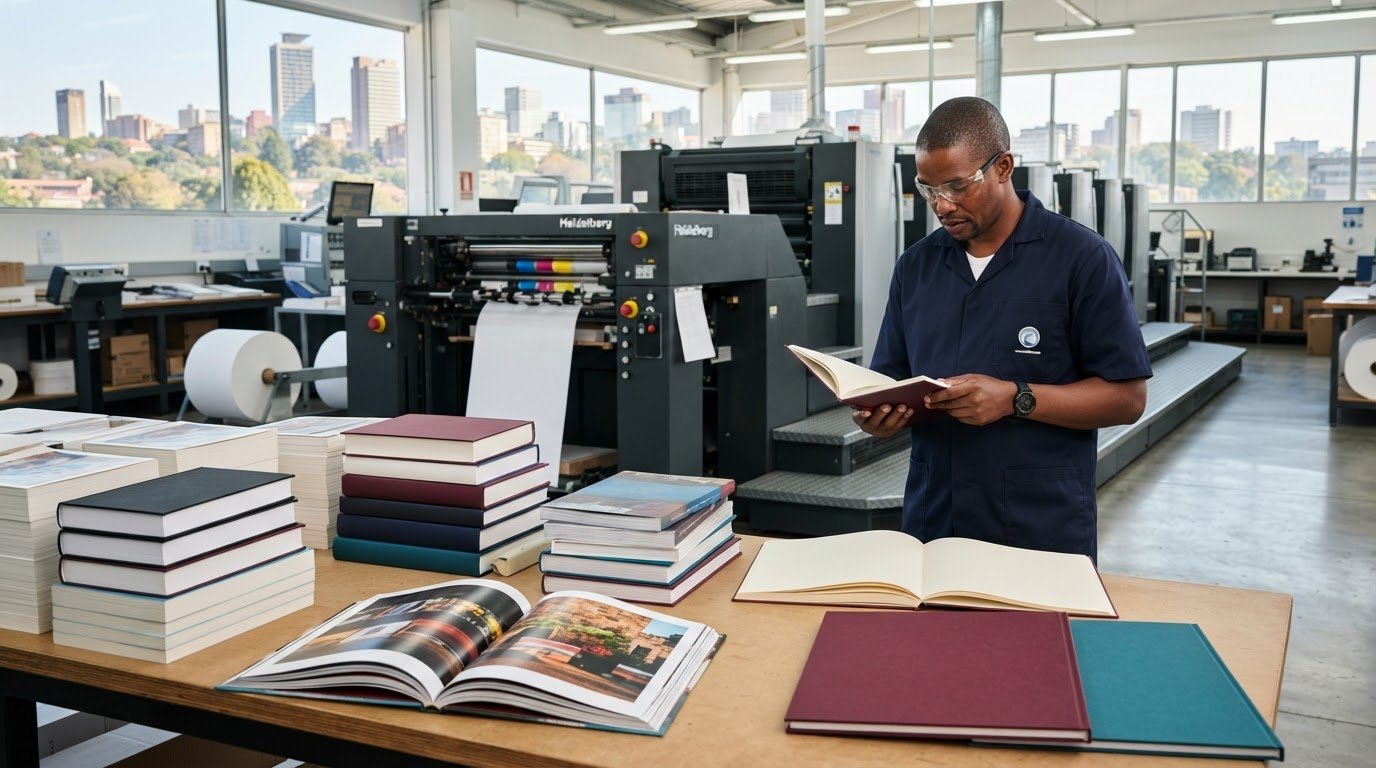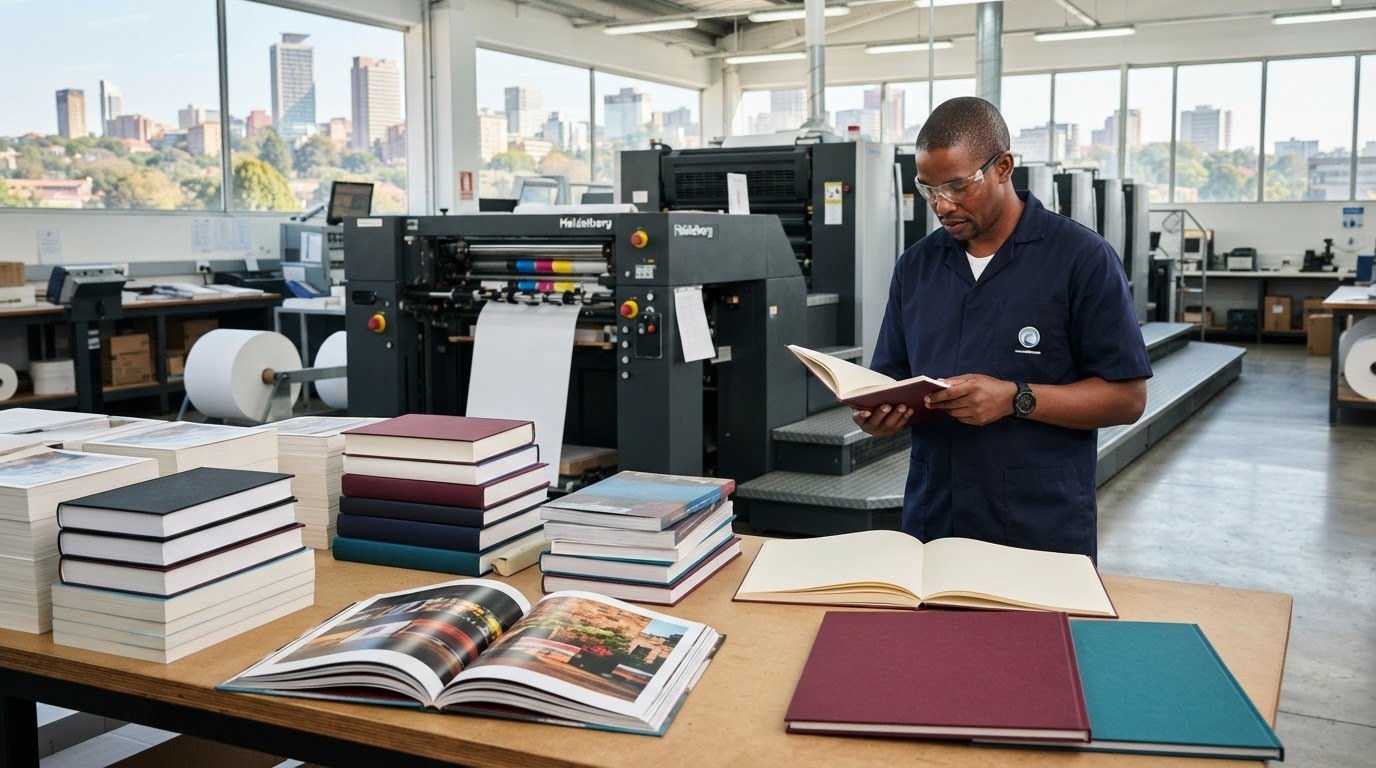

Teaching materials help educators present information clearly, guide learners through lessons, and create a more structured learning experience. Although digital content is widely available, printed teaching materials still matter because they support focus, improve lesson flow, and give teachers practical resources they can use in classrooms, workshops, and training environments. As a result, schools, colleges, tutors, training providers, and businesses still rely on printed teaching materials every day.In South Africa, teaching materials can include teacher guides, lesson packs, textbooks, workbooks, training manuals, educational booklets, revision material, and classroom support documents. Each format serves a different role. For example, a teacher guide helps structure delivery, while a workbook supports learner participation. In the same way, a training manual helps instructors run guided sessions more effectively. Because of that, teaching materials connect directly with education printing, textbook printing, books printing, training manual printing, and booklet printing.

What are teaching materials?
Teaching materials are resources educators use to explain concepts, structure lessons, support learner understanding, and reinforce key topics. In printed form, teaching materials often include teacher guides, lesson notes, textbooks, workbooks, manuals, classroom handouts, revision packs, and educational booklets. In simple terms, they help teachers teach more clearly while helping learners follow the content more easily.
More importantly, strong teaching materials do more than hold information. They shape how lessons are delivered. Therefore, the format, layout, durability, and readability all matter.
Why do teaching materials still matter?
Teaching materials still matter because they bring structure and consistency into the learning environment. First, they help teachers organise lessons properly. Then, they make it easier to explain information step by step. After that, they give learners something practical to follow, review, and use again later. Consequently, strong teaching materials support both delivery and retention.
Printed teaching materials also work especially well where device access is limited or where fewer distractions improve learning. For that reason, printed resources still play an important role across schools, training centres, workshops, and guided learning programmes.
| Why Teaching Materials Matter | How They Help |
| Lesson structure | Helps teachers present content in a clear sequence |
| Better focus | Reduces distraction during teaching and learning |
| Consistent delivery | Helps different educators teach the same content more uniformly |
| Easier revision | Gives learners material they can revisit later |
| Practical access | Works without internet, devices, or software |
What types of teaching materials are commonly used?
Different learning environments need different teaching materials. Some formats support formal curriculum delivery, while others work better for short courses, workplace instruction, tutoring, or revision. Because of that, the format should always match the way the teacher will use the content.
| Type of Teaching Material | Main Use |
| Teacher guides | Support lesson delivery and topic sequencing |
| Textbooks | Provide core subject content |
| Workbooks | Support written exercises and participation |
| Training manuals | Guide structured skills development |
| Educational booklets | Support shorter lessons and compact content |
| Revision packs | Reinforce key knowledge before tests or exams |
So, if the project involves long-form curriculum content, textbook printing may be the best fit. On the other hand, if the material supports instructor-led skills training, training manual printing may suit the project better. Likewise, booklet printing often works well for short teaching packs and classroom handouts.
Who uses printed teaching materials?
Printed teaching materials support more than schools alone. In fact, colleges, tutors, private academies, training centres, businesses, churches, and community education programmes often need structured printed resources for instructors and facilitators. Some need teacher guides for formal classrooms. Others need manuals, booklets, or support packs for workshops and practical sessions.
Therefore, printed teaching materials support both academic teaching and real-world skills instruction.
| User | Why Teaching Materials Help |
| Schools | Support classroom delivery and lesson consistency |
| Colleges and institutions | Help instructors structure course content |
| Tutors and learning centres | Create repeatable teaching resources |
| Training providers | Support guided teaching during workshops and courses |
| Businesses | Help staff trainers deliver onboarding and internal learning |

What makes good printed teaching materials?
Good printed teaching materials combine clear content with practical design. First, the material should follow a logical sequence. Next, the layout should make the information easy to teach from. Then, the print format should suit the way the educator will use it in real sessions. As a result, the final resource becomes easier to present and easier for learners to follow.
For example, a teacher guide may need clear section breaks and notes, while a workbook needs space for written responses. In the same way, a training manual may need a more durable format if facilitators will reuse it often.
- Clear headings and section hierarchy
- Readable typography
- Logical lesson flow
- Practical page design
- Appropriate paper choice
- Binding that suits repeated use
- Consistent formatting across sections
How do teaching materials affect teaching outcomes?
Teaching materials affect outcomes because they shape how educators deliver the content. If the material feels disorganised or difficult to use, lessons often lose momentum and clarity. However, when the material feels well structured and easy to follow, educators can teach more confidently and learners can absorb the content more effectively.
In other words, strong teaching materials improve delivery. Consequently, they can also improve learner understanding, consistency across classes, and overall engagement.
| Material Quality | Teaching Effect |
| Clear structure | Helps educators move through lessons smoothly |
| Readable layout | Makes material easier to teach from |
| Consistent formatting | Supports stable delivery across different sessions |
| Useful exercises | Reinforces teaching with learner participation |
| Durable production | Improves long-term classroom or training use |
What print formats work best for teaching materials?
The best print format depends on the purpose of the material. Some projects need full textbooks or teacher manuals, while others need shorter booklets, lesson guides, or workbook-style handouts. Because of that, the right format should support the teaching method instead of forcing every resource into the same production route.
| Format | Best For | Main Advantage |
| Textbook | Core subject teaching | Supports long-form structured content |
| Teacher guide | Lesson planning and delivery | Helps educators teach more consistently |
| Workbook | Classroom participation and practice | Encourages active learner involvement |
| Training manual | Instructor-led skills development | Supports guided practical teaching |
| Booklet | Short lesson packs and compact resources | Cost-effective for smaller teaching tools |
Therefore, it helps to match the job to the correct service early, whether that means education printing, textbook printing books printing, training manual printing, or booklet printing.
What paper and binding work best for teaching materials?
Paper and binding should follow the way the educator will use the material. If users need to write notes, mark sections, or complete activities, then practical uncoated stock often makes more sense. If the material needs to last through repeated classroom or training use, stronger covers and more durable binding usually work better. As a result, the final spec should reflect how often the material will be handled.
For example, a teacher guide may need a format that opens easily during lessons, while a textbook may need a more durable bound finish for longer-term use. So, usability should drive the production choice.
| Production Choice | Why It Matters |
| Readable inner paper | Supports comfort during teaching and review |
| Writable stock | Helps with notes, exercises, and lesson marking |
| Durable cover | Protects material used repeatedly |
| Appropriate binding | Improves usability and product lifespan |
| Correct format size | Makes handling and storage easier |
How much do printed teaching materials cost?
The cost depends on the format, page count, size, paper choice, binding method, and print quantity. Naturally, a short teaching booklet will not cost the same as a full teacher guide, textbook, or bound training manual. In the same way, a larger run can change the unit cost compared with a smaller custom order.
Because of that, it helps to define the format, page count, and intended use before requesting a quote. Once those details are clear, the project becomes much easier to price correctly.
| Cost Factor | How It Affects Price |
| Page count | More pages increase print and finishing cost |
| Format type | Books, manuals, and booklets differ in production cost |
| Paper choice | Different stocks change the total quote |
| Binding method | Some resources need stronger finishing |
| Quantity | Print volume can change cost efficiency |
| Layout or design needs | File prep or design support may add to the project cost |

What should you look for in a teaching materials printer?
You should choose a printer that understands both educational content and practical usability. In addition, the printer should be able to advise on format, paper, binding, and print preparation based on how the material will be used in lessons or guided sessions. That matters because teaching materials need to work well in real classrooms and real training spaces.
A practical place to start is with services such as education printing, textbook printing, training manual printing, books printing, and the contact page for project planning.
Where can you order teaching materials in South Africa?
If you need printed teaching materials in South Africa, first decide what type of resource you need, who will use it, and how often educators will handle it. Then choose the format that best supports the teaching goal, whether that means a textbook, teacher guide, workbook, manual, booklet, or bound book.
You can begin with Print It ZA’s education printing, textbook printing, books printing, training manual printing, booklet printing, and contact page.
Teaching materials still matter because they turn lesson content into something structured, practical, and usable. More importantly, when the content, layout, paper, and binding all work together, the final resource becomes easier to teach from, easier to manage, and more valuable over time.
Frequently asked questions about teaching materials
What are teaching materials?
Teaching materials are resources such as teacher guides, textbooks, workbooks, manuals, and booklets that support lesson delivery and learning.
Why do printed teaching materials still matter?
Printed teaching materials still matter because they improve lesson structure, support focus, and work without internet access or digital devices.
What types of printed teaching materials are commonly used?
Common types include teacher guides, textbooks, workbooks, training manuals, revision packs, and educational booklets.
What print formats work best for teaching materials?
The best format depends on the teaching purpose, but common options include textbooks, teacher guides, workbooks, manuals, and booklets.
Where can I order printed teaching materials in South Africa?
You can order printed teaching materials in South Africa from Print It ZA, we are print providers that already handle education printing, textbook printing, manuals, books, and booklets.
Contact Print It ZA today, for a Free Quote and Speedy Service.
Print It ZA print and packaging, We deliver Printing Best!