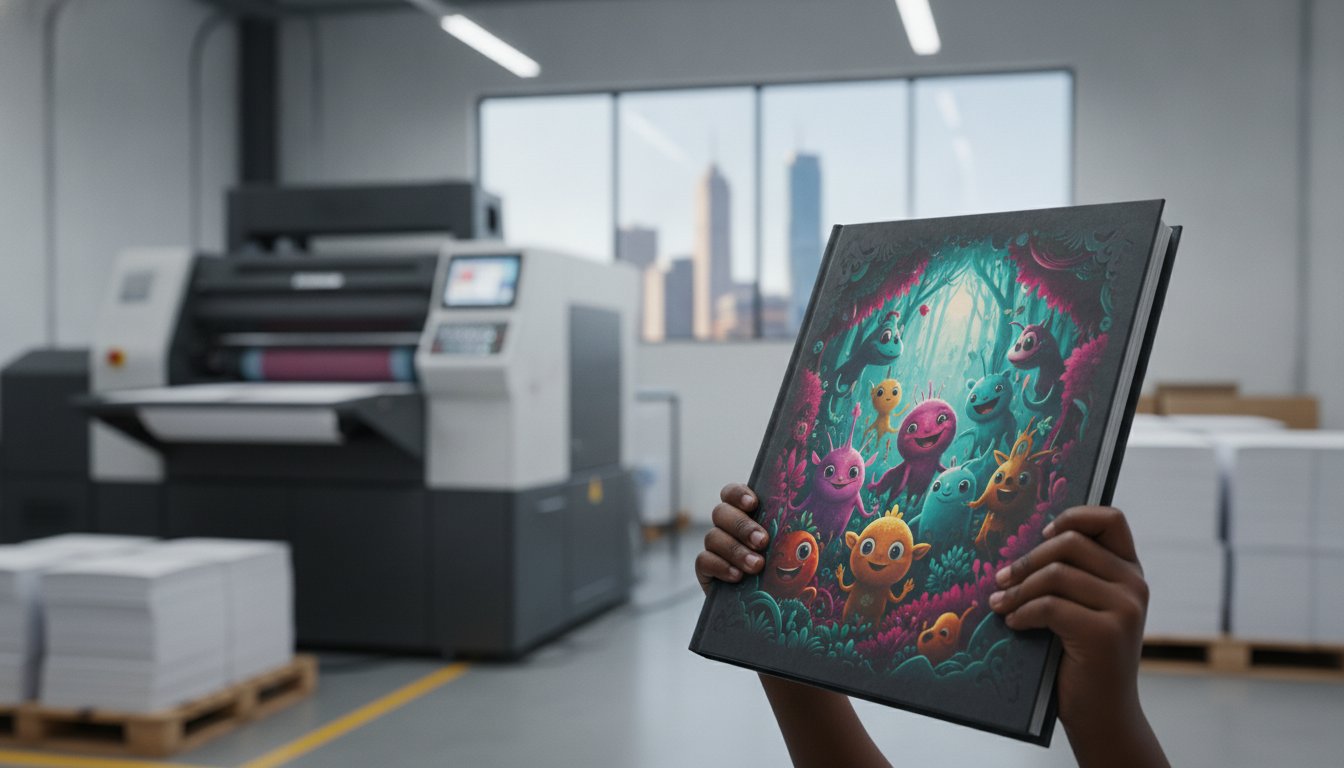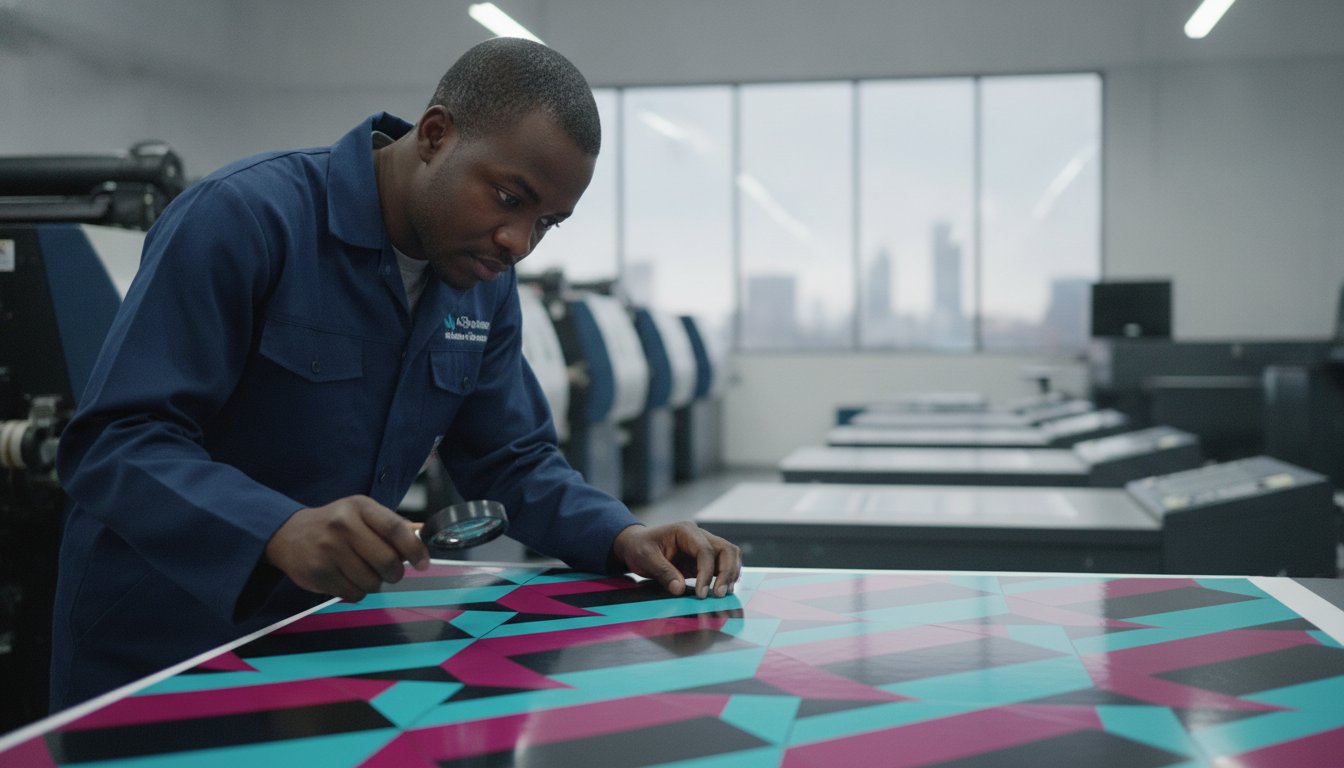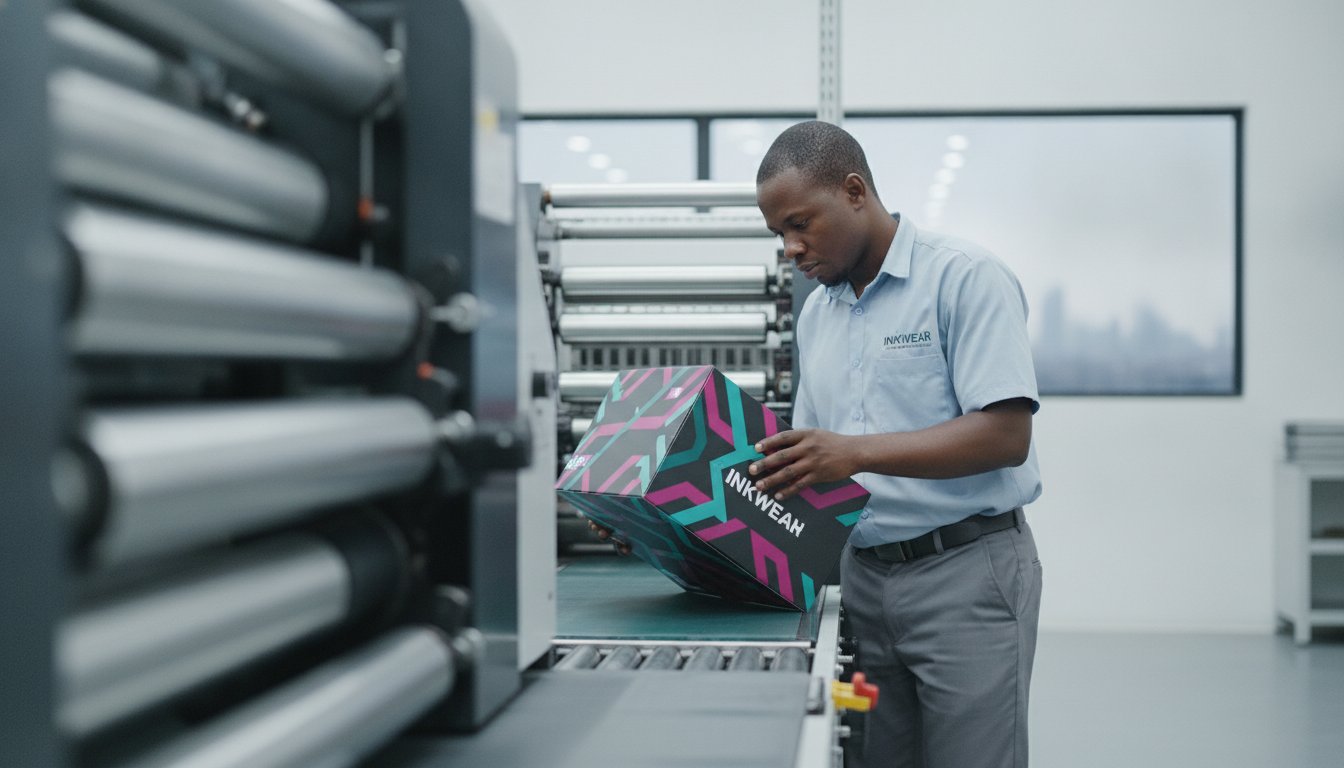

Magazine printing is an essential service for businesses, schools and publishers across South Africa, whether you need high-volume commercial runs, educational materials or targeted promotional issues. This guide answers the most common questions about paper, binding, finishes, costs and delivery, with practical tips for working with printers for catalogue printing, booklet printing and school textbook printing.
What is magazine printing and how does it fit into South African printing industries?
Magazine printing covers the production processes used to convert layouts and editorial content into finished periodicals — from short-run promotional zines to glossy monthly consumer titles. In South Africa the magazine market overlaps with a broad commercial printing ecosystem that includes brochure printing services, catalogue printing and booklet printing. Magazine printing commonly uses litho and digital printing presses depending on run length, budget and turnaround needs.
Many publishers in the education sector also use the same production pipelines: training manuals and small-format school publications often employ magazine-style binding and paper choices. Working with a printer that understands both commercial printing and education printing helps streamline bulk educational printing for schools and term preparation projects.
Which paper types are best for magazines?
Choosing the right paper is one of the most important decisions for magazine printing because paper affects look, feel, durability and cost. Common options include:
- Coated gloss: High shine, great for photos and advertising-heavy issues.
- Coated silk/matte: Lower sheen than gloss, excellent for combined photo/text layouts.
- Uncoated: A tactile feel often used for literary or arts magazines.
- Lightweight stocks (70–90 gsm): Good for high page-count issues to reduce bulk and postage.
Table: Typical paper choices for different magazine types
| Magazine Type | Recommended Paper | Why |
|---|---|---|
| Consumer gloss | Coated gloss, 115–170 gsm | Vivid images and retail appeal |
| Trade/industry | Coated silk, 90–150 gsm | Balanced image and readable text |
| Educational / manuals | Uncoated or light coated, 80–120 gsm | Cost-effective, easy to handle in classrooms |
For catalogue printing and brochure printing services, printers often recommend matching the cover weight to the interior stock for durability. If you’re preparing educational printing or school textbook printing, consider more durable covers or laminated finishes to withstand repeated handling.
How do binding options compare for magazine printing?
Binding choice affects cost, shelf life and how a reader interacts with your magazine. Common binding methods used in South Africa include saddle-stitch, perfect binding and wire/o-ring binding for special formats.
- Saddle-stitch: Staples through the fold; ideal for thinner magazines (up to ~96 pages depending on paper weight). Fast and cost-effective for promotional runs and newsletters.
- Perfect binding: Square spine with glue; looks professional for mid- to high-page-count magazines and comparable to many commercial books.
- Section sewing: More durable than glue for high-run titles and used for long-life educational publications.
- Wire or O-ring: Used for manuals or repeat-reference books; popular for training manuals and class resources.
Educational printing and training manual printing often favour section sewing or robust perfect binding to cope with frequent use. For fast turnaround printing, saddle-stitch and digital perfect binding are common because they integrate well with digital production workflows.
How much does magazine printing cost in South Africa?
Costs vary widely depending on paper, binding, page count, colour coverage and print run. Typical price drivers include:
- Run length: Higher volumes reduce unit cost due to press setup economics.
- Paper choice and cover stock: Heavier or coated stocks increase costs.
- Colour coverage: Full-bleed, four-colour process printing is pricier than black-and-white pages.
- Finishes: UV varnish, lamination and special inks add to the budget.
Example cost bands (indicative):
- Short run, 500 copies, 32 pages, saddle-stitch: budget-friendly option for promos.
- Medium run, 2,500 copies, 64 pages, perfect bound: mid-range commercial cost.
- High run, 10,000+ copies, 96 pages, coated cover: unit cost drops significantly per copy.
According to industry purchasing patterns, print buyers frequently choose digital printing for runs under 1,000 and litho for larger runs to control cost-per-unit. For comparable services like booklet printing or catalogue printing, many South African printers offer tiered pricing and fast turnaround options to help small-business marketing materials stay within budget.
What is the typical turnaround time for magazine printing?
Turnaround depends on whether the job is digital or litho, complexity of finishing, and whether the printer schedules multi-job runs. Typical timelines:
- Digital short runs: 2–5 business days for simple runs (proof, print, bind).
- Litho medium/large runs: 7–14 business days including plating, press time and finishing.
- Special finishes/embossing: add several days to the schedule.
Fast turnaround printing is available from many South African commercial printers who maintain digital presses and overnight workflows. If you’re preparing materials for school term starts or events, plan for proof approval time and delivery windows across South Africa to ensure on-time arrival.
How does print quality differ between litho and digital for magazine printing?
Lithographic (offset) printing generally offers the best colour consistency and lower unit cost at scale, while digital printing provides fast, economical short runs and easy variable-data capabilities. For high-end consumer magazines with intensive image reproduction, litho on coated stock remains the preferred choice. For promotional issues, internal newsletters or sample issues, digital press technology delivers excellent quality with less setup waste.
If your project overlaps with commercial printing or small business marketing — such as business cards, brochures or newsletters — discuss colour profiles and test proofs with the printer. This is especially important when matching colours across brochure printing services, booklet printing and catalogue printing where consistency is key.
Can I get eco-friendly magazine printing options?
Yes. Eco-conscious publishers in South Africa increasingly ask for recycled paper stocks, FSC-certified paper, eco inks and waterless or low-solvent processes. Many printers also offer carbon offset programs and waste-reduction workflows.
Choosing recycled or FSC-certified paper might increase cost slightly, but the environmental benefit and improved brand perception often justify the investment. For educational printing and school textbook printing, eco-options help meet institutional sustainability targets and reduce environmental impact across large print runs.
According to consumer trends, sustainability influences purchasing decisions: many readers prefer brands that demonstrate responsible sourcing and disposal options.
How do distribution and delivery work across South Africa?
Distribution planning is crucial for national magazine printing and bulk educational printing for schools. Printers can coordinate palletized deliveries, fulfilment and regional drop shipments. Options include:
- Nationwide courier delivery for smaller shipments.
- Palletized freight for large runs to warehouses or retailers.
- Managed fulfilment and subscription fulfilment services.
Rail and road freight remain the primary transport methods; coastal cities typically see faster delivery times. When planning for school term preparation or event distribution, build in extra days for rural or remote delivery destinations. Many printers also offer warehousing and on-demand dispatch to smooth release schedules across terms or promotional windows.
Is print-on-demand (POD) practical for magazines?
Print-on-demand makes sense for low-volume or evergreen titles where inventory costs and waste are a concern. POD is particularly attractive for:
- Educational supplements and short-run training manuals.
- Limited edition issues or niche trade publications.
- Localized runs for regional advertising and special events.
POD integrates well with online ordering, variable-data printing (personalised messages) and staggered releases. For small-business marketing materials, POD can support frequent, up-to-date catalogue or brochure runs without large upfront inventory – a useful feature for retailers or institutions managing frequent content updates.
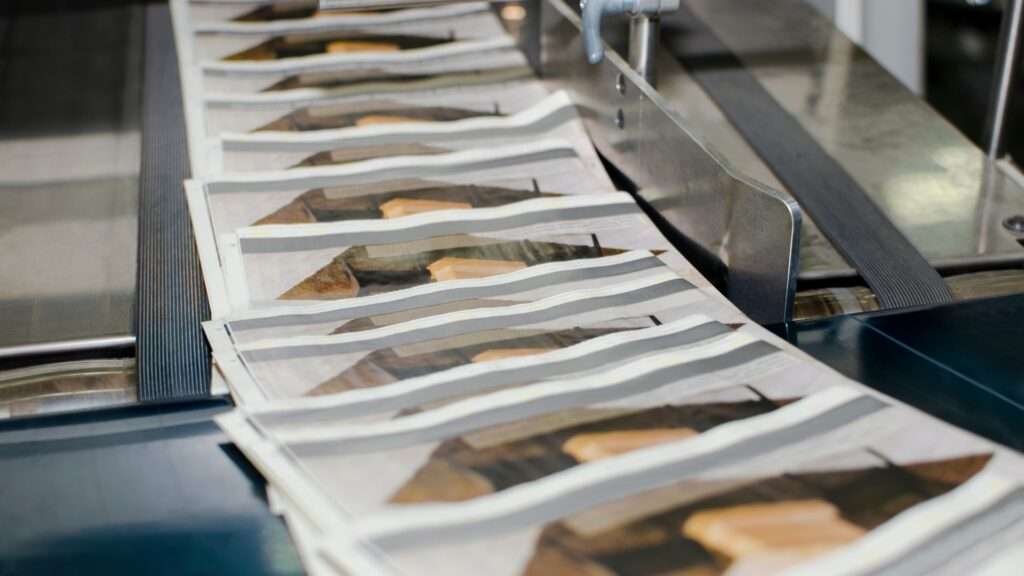
What finishes and custom options can elevate a magazine?
Finishes can transform a standard magazine into a premium product. Options include:
- Spot UV or full UV varnish for high-impact covers.
- Lamination (matte or gloss) to protect covers and improve durability.
- Embossing/debossing and foiling for premium brand presentation.
- Die-cut windows, fold-outs and inserts for interactive content.
These options are commonly requested by commercial publishers and event-driven promotions. For educational publications, protective laminates and durable binding are more common than foils, because they extend product life in the classroom. Discuss the trade-offs with your printer — some finishes add production time and cost but can substantially increase perceived value and shelf life.
How should I work with a printer — proofs, files and timelines?
Clear communication and file preparation save time and money. Steps to streamline magazine printing:
- Provide print-ready PDFs with crop marks, bleeds and CMYK colour profiles.
- Request a press proof for final colour checks, especially for image-heavy spreads.
- Confirm paper swatches and binding samples before large runs.
- Agree delivery dates and contingency plans for distribution across South Africa.
Most printers offer a production checklist and can handle layout adjustments, imposition and preflight. If you publish both promotional brochures and magazines, ask about bundling services – many commercial printers provide discounts when combining catalogue printing, brochure printing services and booklet printing in one job. booklet printing in one job.
Common mistakes and practical tips for successful magazine printing
Experienced publishers avoid these pitfalls:
- Ignoring bleeds and safe zones, causing trimmed content to be lost.
- Skipping proofs: trust, but verify colours and alignment before full runs.
- Underestimating distribution lead times for national delivery or school rollouts.
Practical tips: plan paper and binding early in the design phase; request sample proofs for crucial spreads; and work with printers who offer both litho and digital capabilities so you can select the best method for each print job. For education printing and school textbook printing, test durability under classroom conditions and consider heavier covers or sewn bindings for longevity.
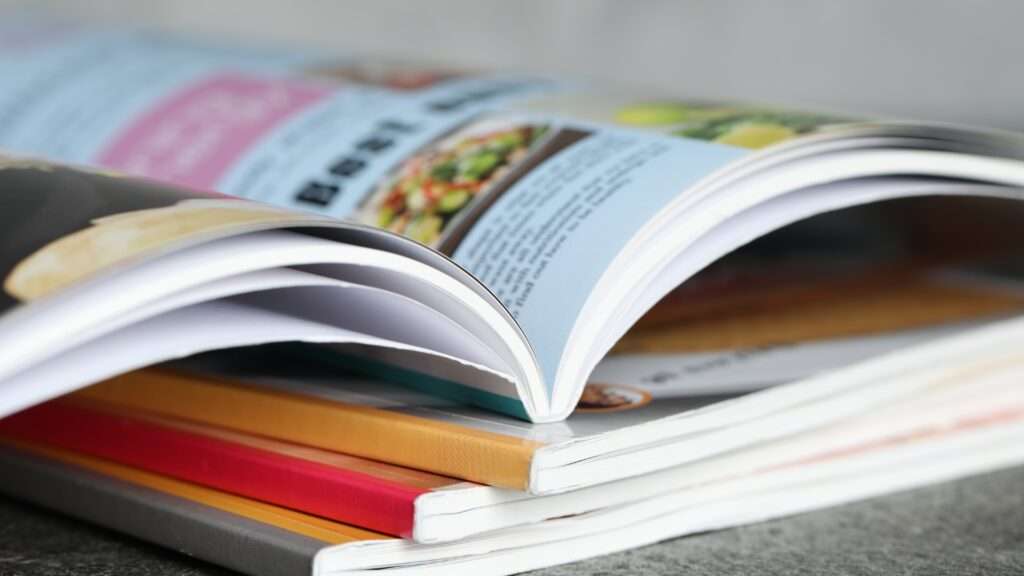
Where can I find more resources and professional help?
Start by discussing your project with a local printer experienced in magazine printing, commercial printing and educational printing. If you need specialised services, explore related offerings such as brochure printing services, catalogue printing, booklet printing and textbook printing. Each of these services shares upstream processes and can be bundled to reduce costs.
For historical context and publishing fundamentals see the magazine publishing page on Wikipedia: Magazine (publishing) — Wikipedia. According to Wikipedia, magazines have been a key medium for cultural and commercial communication since the 17th and 18th centuries. According to Statista, many print segments remain a multi-billion-dollar market globally, and according to regional industry reports, demand for print marketing materials and educational resources in South Africa remains steady as institutions prepare for each academic term.
Need a tailored quote or sample? Contact a print partner who understands South African logistics, fast turnaround printing and the specific needs of schools, small businesses and commercial publishers.
Contact Print It ZA today, for a Free quote and Speedy service.
Print It ZA, we deliver Printing Best!