
Types of hardcover binding matter because not every hardbound book is built the same way. Although many people use the term hardcover as if it describes one single finish, hardcover books can differ in structure, strength, cover treatment, and overall presentation. Because of that, choosing the right type of hardcover binding affects how the book looks, how long it lasts, and how well it suits the purpose of the project.In South Africa, different types of hardcover binding can suit educational books, premium publishing, religious books, commemorative editions, corporate publications, and branded coffee-table style books. For that reason, this topic connects naturally with books printing, graphic design services, booklet printing, and the wider book production process already supported by Print It ZA.
What are the main types of hardcover binding?
The main types of hardcover binding usually differ by how the case is built, how the cover is finished, and how the text block connects to the outer cover. In simple terms, the inside pages may stay similar across projects, but the construction and outer presentation can change depending on the goal of the book.
As a result, the type of hardcover binding you choose can affect durability, cost, visual impact, and how formal the final book feels.
Why do the different types of hardcover binding matter?
The different types matter because each one suits a different use case. First, some formats focus on durability. Then, others focus on visual impact or premium presentation. After that, some types balance cost and quality more practically. Consequently, choosing the right hardcover style helps the book perform better in the real world.
That matters even more when the book needs to support long-term use, gifting, shelf presence, repeated handling, or high-end brand value. Therefore, the binding choice should follow the actual goal of the project.
| Why Binding Type Matters | How It Helps |
| Durability | Supports longer use and stronger protection |
| Presentation | Changes how premium the book feels |
| Book purpose | Helps match the format to the intended use |
| Production cost | Affects the complexity and materials used |
| Reader experience | Influences how the book opens, holds, and displays |
What is case bound hardcover binding?
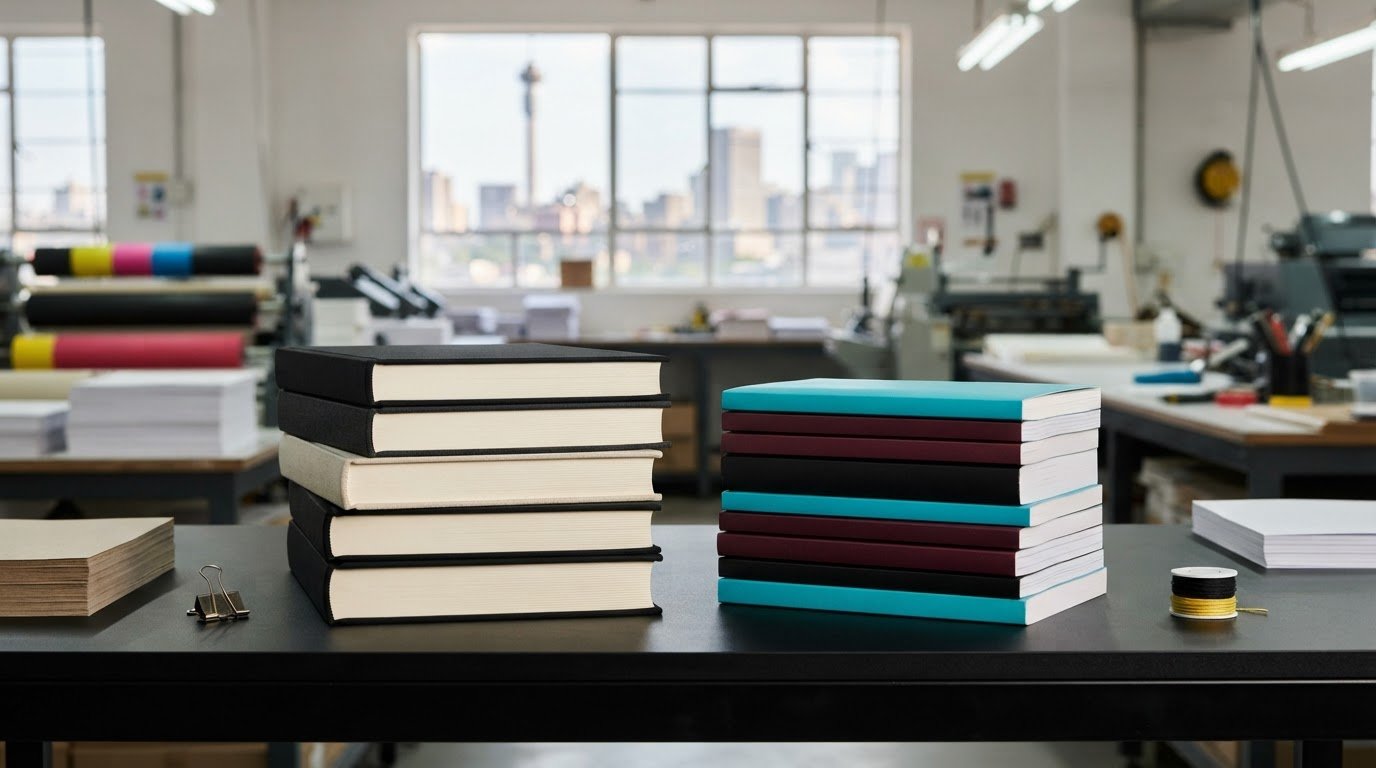
Case bound hardcover binding is one of the most common hardcover styles. In this method, the inside pages form a text block, while the rigid outer case is produced separately and then attached using endpapers. Because of that, case binding creates the classic hardcover look people usually expect from premium books.
This type works well for books that need long-term durability and a formal finish. As a result, it is often a strong choice for educational books, religious books, reference books, and premium editions.
What is printed case hardcover binding?
Printed case hardcover binding uses a full printed wrap on the outer case. In other words, the cover artwork prints directly onto the outer wrap that covers the rigid boards. Because of that, the final book can show full-colour design across the front, spine, and back while still keeping the strength of a hardcover structure.
This style often suits corporate books, branded publications, premium educational books, and modern publishing projects where the visual identity matters just as much as durability.
What is cloth or wrapped hardcover binding?
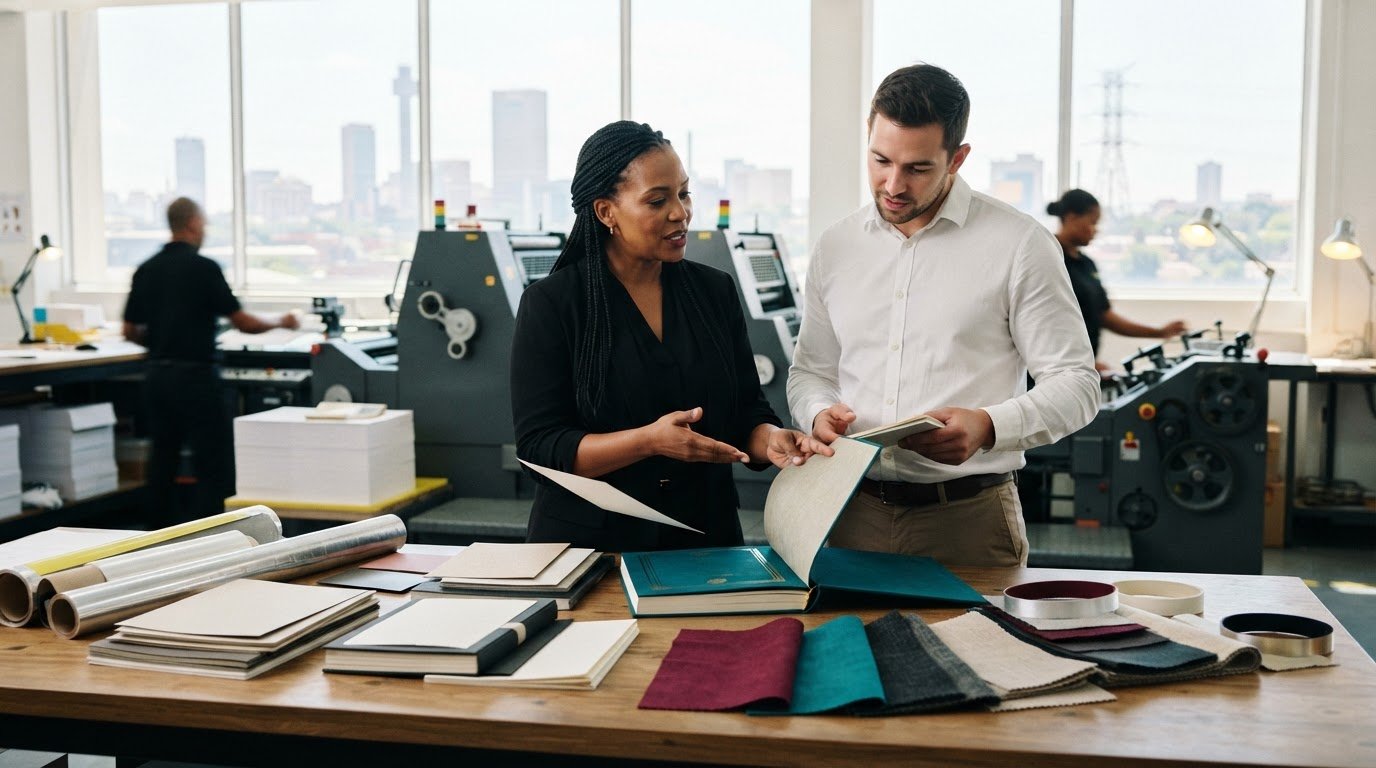
Cloth or wrapped hardcover binding uses a material wrap instead of a fully printed outer sheet. For example, the rigid boards may be wrapped in cloth-like material, textured cover stock, or another decorative finish. Then, the title or branding may appear through foil stamping, debossing, or a printed label element.
Because of that, this style often feels more traditional, more formal, and more gift-worthy. It works especially well for commemorative books, religious titles, heritage publications, and premium corporate editions.
What is dust jacket hardcover binding?
Dust jacket hardcover binding combines a rigid hard case with a removable printed jacket wrapped around the outside. The case underneath may be plain, cloth-wrapped, or minimally printed, while the dust jacket carries the main artwork, title, summary, and spine design. As a result, this format adds both protection and a more traditional trade-book appearance.
This type often suits retail publishing, gift books, and premium editions where presentation and shelf appeal matter strongly.

What is a padded hardcover?
A padded hardcover includes a soft layer beneath the outer cover material, which gives the book a cushioned feel. Although this style is less common than standard case binding, it can add a more luxurious finish for certain projects. Because of that, padded hardcovers may suit gift books, keepsakes, journals, and selected premium editions.
However, not every project needs this approach. So, it usually makes the most sense when the tactile feel of the cover plays an important role in the final presentation.
| Hardcover Type | Main Feature | Best For |
| Case bound hardcover | Classic rigid cover with separate case construction | Durable books and long-term use |
| Printed case hardcover | Full-colour printed wrap on the case | Branded and visually driven books |
| Cloth or wrapped hardcover | Material-wrapped rigid cover | Formal, traditional, or gift-style books |
| Dust jacket hardcover | Rigid case with removable printed jacket | Retail-style premium publishing |
| Padded hardcover | Soft cushioned feel under the outer cover | Luxury or keepsake-style projects |
Which type of hardcover binding is the strongest?
In most cases, standard case bound hardcover formats offer excellent strength for long-term use. However, the strongest result does not depend on the outer type alone. It also depends on the text block construction, adhesive or sewing method, board quality, endpapers, and overall production quality. Therefore, strength comes from the full build, not just the label applied to the binding style.
So, if durability matters most, it helps to discuss the full production method rather than choosing by appearance only.
How do the different types of hardcover binding affect design?
Different hardcover types affect cover planning in different ways. First, a printed case needs full cover artwork across the outer wrap. Then, a cloth-bound book may need foil stamping, debossing, or a simpler front-cover treatment. After that, a dust jacket edition needs both jacket artwork and the case beneath it. Consequently, each hardcover type changes how the design files should be prepared.
Because of that, hardcover projects often connect closely with graphic design services and with careful book setup before printing begins.
How do the different types of hardcover binding affect cost?
The cost changes because different hardcover types use different materials and finishing steps. For example, a simple printed case hardcover may cost differently from a cloth-bound book with foil stamping or a dust jacket edition with extra printed components. In the same way, padded covers and specialty finishes can raise the total cost further.
Therefore, the best way to compare pricing is to define the trim size, page count, cover style, finish, and quantity before requesting a quote.
| Cost Factor | How It Affects Price |
| Cover type | Different case finishes use different materials |
| Special finishes | Foil, embossing, and jackets add production steps |
| Book size | Larger books use more board and cover material |
| Page count | Changes spine width and construction needs |
| Quantity | Print volume can change unit cost |
| Design complexity | Extra cover planning may add to production work |
Which type of hardcover binding should you choose?
You should choose the type that best matches the purpose of the book. If durability and long-term use matter most, classic case binding often makes sense. If the project needs strong visual branding, a printed case may work better. If the goal is a formal or heritage-style presentation, a cloth or wrapped cover may suit the job more effectively. Likewise, if shelf appeal matters strongly, a dust jacket can add extra impact.
So, the right choice depends on how the book will be used, how it should feel, and what the finished product needs to communicate.
What should you look for in a hardcover binding printer?
You should choose a printer that understands books, cover construction, and production planning properly. In addition, the printer should be able to advise on the right hardcover type, the right cover setup, and the right design approach for the finished book. That matters because hardcover production needs more planning than simpler softcover jobs.
A practical place to start is with books printing, graphic design services, and the contact page for project planning and quotes.

Where can you order different types of hardcover binding in South Africa?
If you need different types of hardcover binding in South Africa, first decide what type of book you are producing, how premium the final presentation needs to be, and how often people will use the book. Then choose the hardcover style that best fits that goal and work with a printer that already handles book production properly.
You can begin with Print It ZA’s books printing, graphic design services, booklet printing, and contact page.
The different types of hardcover binding matter because they change how the final book looks, feels, and performs over time. More importantly, when the cover style, construction, design, and inside pages all work together, the finished book becomes stronger, more attractive, and better suited to its purpose.
Frequently asked questions about types of hardcover binding
What are the main types of hardcover binding?
The main types usually include case bound hardcovers, printed case hardcovers, cloth or wrapped hardcovers, dust jacket hardcovers, and padded hardcovers.
Which type of hardcover binding is best?
The best type depends on the purpose of the book, the desired presentation, the level of durability needed, and the production budget.
What is the difference between printed case and cloth hardcover binding?
Printed case binding uses a full printed outer wrap, while cloth hardcover binding uses a material wrap and often relies on foil, debossing, or simpler front-cover treatments.
Do different types of hardcover binding affect price?
Yes. Different types affect price because they use different materials, different finishes, and different production steps.
Where can I order hardcover binding in South Africa?
You can order hardcover binding in South Africa directly from Print It ZA, as a provider that already handles books, cover setup, and premium print production.
Contact Print It ZA today, for a Free Quote and Speedy Service.
Print It ZA print and packaging, We deliver Printing Best!