
Table of Contents
-
Technical Specs: Choosing Paper, Ink, and Binding for Impact
-
Digital vs. Litho: Scaling Your Comic for the South African Market
-
Preparing Your Files: Pro Tips for South African Comic Creators
-
Print It ZA: Your Dedicated Creative Partner for Custom Comic Production
Understanding the Role of Professional Comic Book Printers
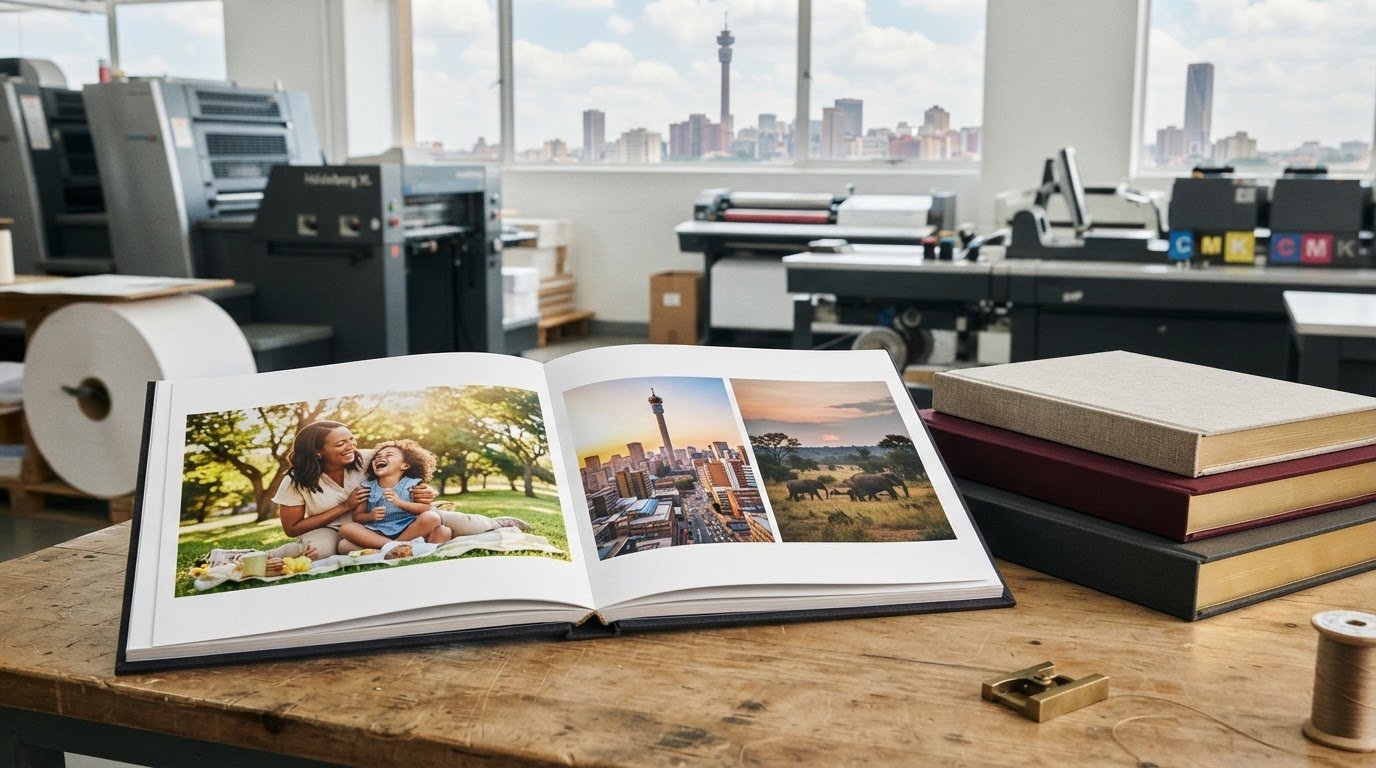
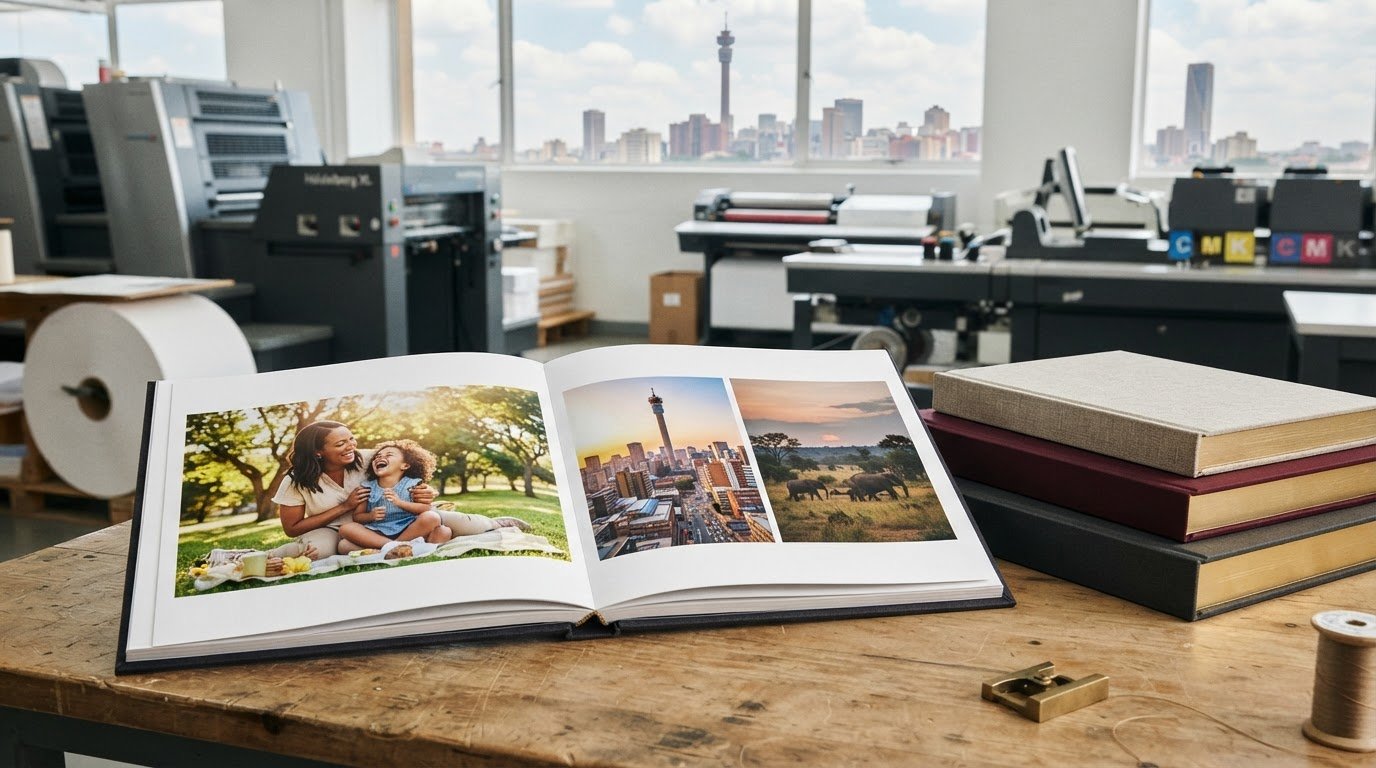
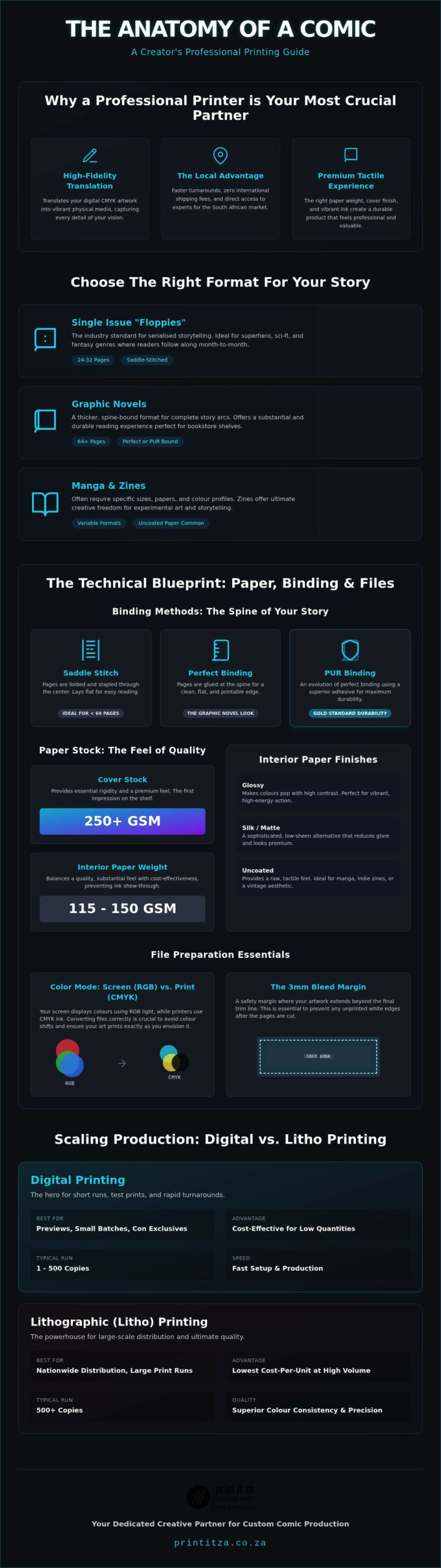
Bringing a comic book to life is a journey from a digital canvas to a reader’s hands. A professional comic printer is the crucial partner in that journey, responsible for translating complex digital CMYK artwork into high-fidelity physical media that captures every detail of your vision. They are more than just a service; they are the technicians and craftspeople who ensure your story feels as good as it looks.
For South African creators, choosing a local printing partner over international print-on-demand (POD) services is a strategic advantage. Local printers offer faster turnarounds, eliminate exorbitant international shipping fees, and provide direct access to experts who understand the nuances of the local market. This partnership is vital for hitting deadlines for events like Comic Con Africa and distributing to local comic shops efficiently.
The tactile quality of a comic book is a huge part of its appeal. The weight of the paper, the finish on the cover, and the vibrancy of the ink all contribute to the reader’s experience. A professional printer helps you navigate these choices to create a product that feels premium and durable. As the South African indie comic scene continues to grow, maintaining these high standards is essential for building a loyal fanbase and a reputable brand.
Key Formats for Modern Comic Production
-
Single Issue Floppies: The classic 24-32 page format, typically saddle-stitched, remains the industry standard for serialised storytelling in superhero, sci-fi, and fantasy genres.
-
Graphic Novels: For complete story arcs, graphic novels offer a thicker, spine-bound format (perfect bound or PUR) that provides a more substantial and durable reading experience, ideal for bookstore shelves.
-
Manga and Zines: These often have specific size, paper, and colour requirements. Manga typically uses uncoated paper for a classic feel, while zines offer creative freedom in format and finish, making them perfect for experimental art.
Why Your Choice of Printer Impacts Your Brand
-
Colour Consistency: A reliable printer ensures that the colours in issue #5 are a perfect match for issue #1. This consistency builds trust and reinforces the professional quality of your work with your fanbase.
-
Durability and Quality: For graphic novels intended to be "coffee table" quality, durability is key. A skilled printer uses the right binding and materials to create a book that lasts, reflecting the value of your story.
-
Avoiding Common Pitfalls: Cheap printing can lead to disastrous results like ink bleeding through thin pages, misaligned trimming that cuts off artwork, or weak binding that falls apart. A professional partner helps you avoid these common book printing mistakes and protects your brand’s reputation.
Technical Specs: Choosing Paper, Ink, and Binding for Impact
The technical decisions you make are just as important as the art itself. The right combination of paper, ink, and binding can elevate your comic from a simple story to a collector’s item. Your printer acts as your guide, helping you select materials that complement your art style and budget.
Interior paper, for instance, dramatically affects how your colours appear. Glossy paper makes colours pop with high contrast, perfect for vibrant superhero action. Silk offers a sophisticated, low-sheen alternative that reduces glare, while uncoated paper provides a raw, tactile feel ideal for manga or indie zines. For the cover, a heavier stock of 250gsm or more is essential. It provides the rigidity and professional feel that readers expect and helps your comic stand up to wear and tear on a shop shelf.
Translating your digital files to print requires a deep understanding of colour science. Your screen displays colours in RGB (Red, Green, Blue), but printers use CMYK (Cyan, Magenta, Yellow, Black). A professional printer will help you manage this conversion to ensure your printed colours are as vibrant and accurate as they appear on your monitor. Finally, finishing touches like cover lamination (matte or gloss) or UV spotting can add a final layer of polish, making your title truly stand out.
Binding Methods: Saddle Stitch vs. Perfect Bound
-
Saddle Stitch: This is the most common and cost-effective method for single-issue comics (typically under 64 pages). The pages are folded and stapled through the centre, allowing the comic to lay flat when open. It’s the go-to choice for classic "floppies."
-
Perfect Binding: To achieve the classic "graphic novel" look with a flat, printable spine, perfect binding is the answer. Pages are stacked and glued together at the spine with a flexible adhesive, creating a clean, professional book block.
-
PUR Binding: An evolution of perfect binding, PUR (Polyurethane Reactive) uses a more robust and flexible adhesive. It’s the gold standard for durability, especially in South Africa’s varied climates, as it prevents pages from becoming brittle or loose over time.
Paper Weights and Textures for Comic Art
-
Interior Weights: Most comics use interior paper weights between 115gsm and 150gsm. This range offers a great balance between a quality, substantial feel and cost-effectiveness, preventing ink from showing through on the other side.
-
Speciality Stocks for Manga: Artists often prefer high-bulk uncoated paper for manga. This type of paper is thicker and more absorbent without being overly heavy, giving it the authentic texture associated with Japanese comics.
-
Your printer will require a "bleed," which is a 3mm safety margin of extra art extending beyond the final trim line of your page to prevent white edges after cutting.
Digital vs. Litho: Scaling Your Comic for the South African Market
As a creator, understanding the difference between digital and lithographic (litho) printing is key to managing your budget and scaling your series. The right choice depends entirely on your goals, from printing a small test run to supplying comic shops nationwide.
Digital printing is the hero for short runs. It’s perfect for producing "ashcans" (previews), convention-only exclusives, or a first run of 50-500 copies to test the market. It has minimal setup costs, making it affordable for indie creators. Litho printing, on the other hand, is the engine for high-volume production. While it has higher initial setup costs (for creating printing plates), the per-unit cost drops dramatically as the quantity increases, making it the most economical choice for retail distribution.
Knowing when to transition from digital to litho is a critical business decision. Generally, once your print run exceeds 500-1000 copies, litho becomes the more financially viable option. A printing partner with a high-capacity facility in Gauteng can help you make this transition smoothly, speeding up the scaling process and ensuring your growing fanbase is never left waiting for the next issue.
Short-Run Digital for Indie Creators
For those just starting out, the difference between print-on-demand and a dedicated short run is crucial. While POD services print one copy at a time, the cost-per-copy is very high. A short digital run of 100 copies with a local printer offers a much better per-unit price, giving you more profit margin. This method is perfect for testing the waters with an "Issue #0" or creating prototypes to show potential investors or publishers. To understand how quantity impacts cost, it’s helpful to learn about minimum order quantities for book printing and how they apply to your project.
High-Volume Litho for Retail and Export
When you’re ready to take your comic to a wider audience, litho printing is the way to go. The setup process involves creating metal plates for each colour, which requires more lead time but results in superior quality and consistency over large quantities. This is the method used by major publishers for a reason—it delivers professional results at scale. By calculating your print run based on pre-order data and market analysis, you can maximise your return on investment. For larger projects, consider exploring bulk book printing services to get the best possible value.
Preparing Your Files: Pro Tips for South African Comic Creators
Submitting print-ready files is the best way to ensure a smooth, fast, and error-free production process. A little preparation goes a long way in preventing costly delays and ensuring the final product matches your creative intent.
First, standardise your page sizes. While A4 and A5 are common, many creators prefer the "US Comic" dimension (approx. 170mm x 260mm). Whichever you choose, set up your templates correctly from the start. Pay close attention to the "gutter"—the inside margin of each page where the book is bound. You must leave enough space here to ensure important dialogue or artwork isn’t lost in the spine. The industry standard for file submission is the PDF/X-1a format, which embeds all fonts and images to prevent unexpected changes. Before you export, perform a final pre-flight check to catch any low-resolution images that could appear pixelated in print.
CMYK Colour Management for Artists
-
The "Rich Black" Secret: To achieve deep, saturated blacks in your ink-heavy panels, don’t just use 100% Black (K). Create a "rich black" by mixing in other colours (e.g., 60% Cyan, 40% Magenta, 40% Yellow, 100% Black). Your printer can provide their preferred formula.
-
Avoiding "Banding": Digital gradients can sometimes print with visible stripes or "banding." You can minimise this by adding a tiny amount of noise (1-2%) to your gradients in your art software.
-
For crisp, sharp line art and text, ensure all your files are set to a minimum resolution of 300 DPI (Dots Per Inch) at their final print size.
South African Logistics: From Johannesburg to Cape Town
Once your comics are printed, getting them into the hands of readers is the final step. Working with a printer based in a central economic hub like Johannesburg provides a significant logistical advantage for nationwide distribution. From a Gauteng base, you can efficiently ship to retailers in Cape Town, Durban, and beyond. Ask your printer about their shipping partners and calculate delivery times to major cities. Proper kitting and packaging are also vital; you need to ensure your comics are packed securely in sturdy boxes to arrive in mint condition, free from bent corners or damage.
Print It ZA: Your Dedicated Creative Partner for Custom Comic Production
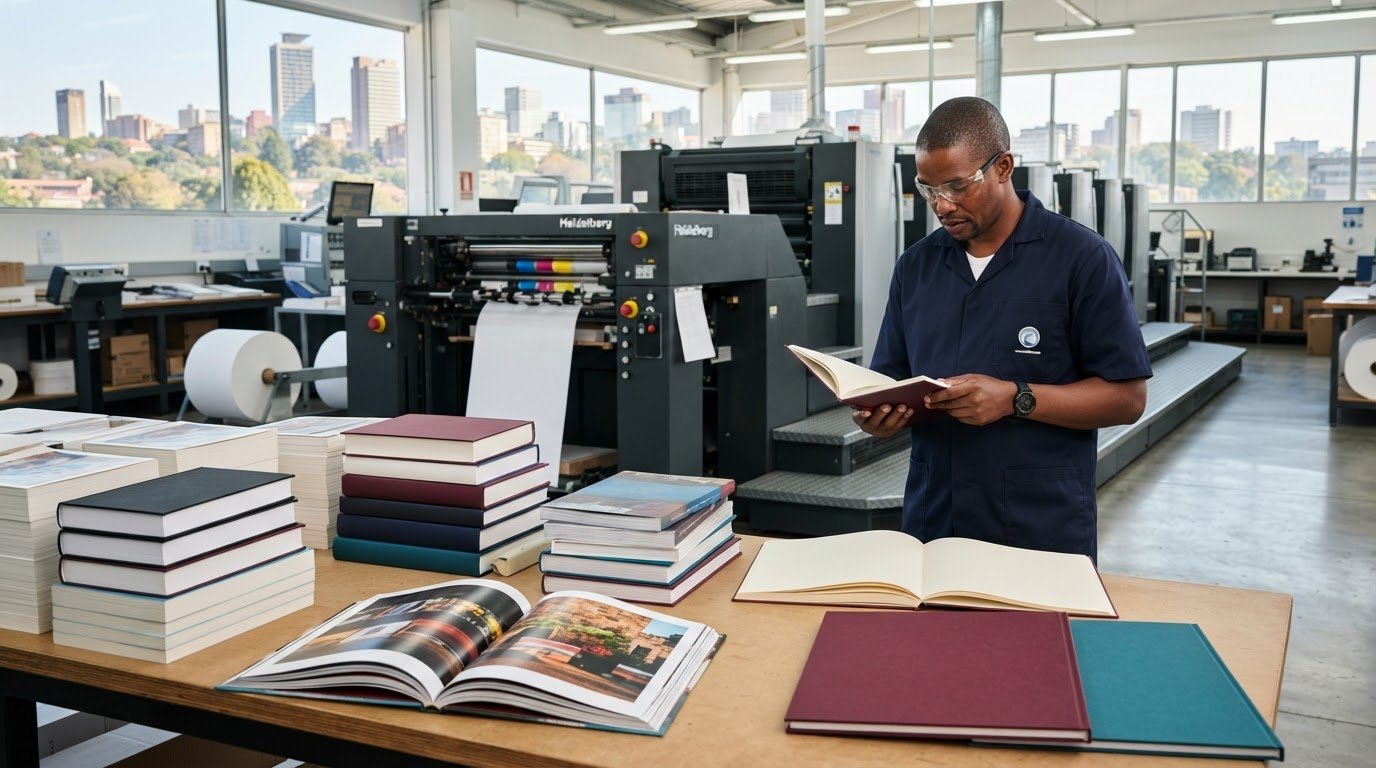
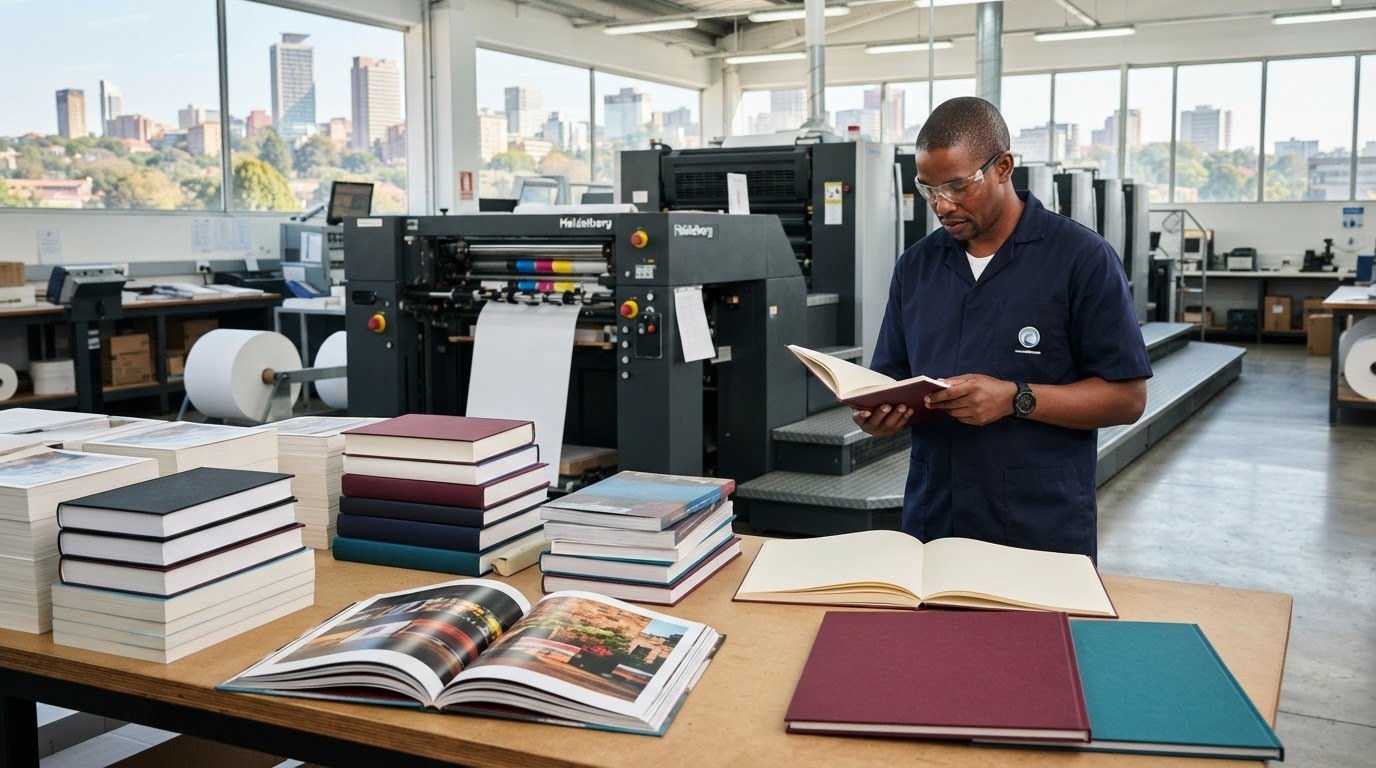
At Print It ZA, we see ourselves as more than just printers; we are your creative partners. Our Johannesburg facility is the heartbeat of Gauteng’s printing scene, equipped with both digital and litho technology to support creators at every stage of their careers. We understand the pressure of convention deadlines and have built our workflow to deliver high-quality results, fast.
Our process is built on collaboration. Our in-house designers are available to help you perfect your layout, check your files, and provide expert advice on paper and binding choices. This hands-on consultation ensures you avoid common pitfalls and achieve a professional result you can be proud of. We offer end-to-end support, from providing the first physical proof to managing nationwide delivery and even export logistics, making us a one-stop solution for South Africa’s comic creators.
Beyond the Page: Packaging and POS for Comics
-
Custom Retail Packaging: Elevate your brand with custom packaging for limited edition box sets or Kickstarter rewards, creating a premium unboxing experience for your biggest fans.
-
Point of Sale (POS) Displays: We can help you design and print branded counter displays or stands to grab attention in local comic book shops and boost retail sales.
-
Custom Canvas Art: Many creators turn their most striking panels into wall art for fans. Wit Print specializes in high-quality canvas prints that allow artists to showcase their digital work in a premium physical format.
-
3D Character Prototyping: For creators looking to expand their brand into custom figurines or physical collectibles, you can visit VPrint3D Limited to explore how integrated 3D printing and rapid prototyping can support your product development.
Get Your Custom Comic Quote Today
-
What to Include: When requesting a quote, please provide your desired quantity, page count, finished size, and binding preference (saddle stitch or perfect bound). This helps us give you an accurate price.
-
The Value of a Physical Proof: For your peace of mind, we always recommend getting a physical proof copy before committing to the full run. This allows you to see and feel the final product and make any last-minute adjustments.
-
Contact Our Team: Reach out to our Gauteng team today for a friendly, professional consultation. We’re passionate about bringing local stories to life and ready to help you print your comic.
Frequently Asked Questions (FAQs)
What is the standard size for a comic book in South Africa?
While many local creators use standard A4 or A5 sizes, the international "US Comic" standard (6.625" x 10.25" or approx. 170mm x 260mm) is also very popular. We can print in any custom size to fit your artistic vision.
How much bleed do I need to include in my comic book files?
You should include a 3mm bleed on all outer edges of your artwork. This means extending your background art 3mm beyond the final trim line to ensure there are no white borders after the pages are cut.
Can I print a single copy of my comic book as a proof?
Yes, we highly recommend it. We can produce a single, digitally printed proof copy for you to approve before we proceed with the full print run. This allows you to check colours, paper, and overall quality.
What is the difference between Perfect Binding and Saddle Stitching for comics?
Saddle Stitching involves stapling folded pages through the centre and is ideal for single-issue comics under 64 pages. Perfect Binding glues the pages to a squared-off spine, creating a book-like finish suitable for graphic novels and thicker collections.
How long does it take to print a comic book run in Johannesburg?
Turnaround times vary based on the printing method and quantity. A short digital run can often be completed in a few business days, while a larger litho run may take 1-2 weeks due to the more complex setup process.
Do you offer nationwide delivery for self-published authors?
Absolutely. We provide reliable and secure nationwide delivery from our Johannesburg facility to any address in South Africa, ensuring your comics reach you or your distributors safely.
What paper weight is best for a professional-feeling comic cover?
For a professional and durable cover, we recommend using a card stock of at least 250gsm. Adding a gloss or matte lamination will provide extra protection and a premium finish.
Should I use digital or litho printing for my first 100 copies?
For a run of 100 copies, digital printing is the most cost-effective and efficient option. It has lower setup costs and is perfectly suited for small, high-quality batches, making it ideal for new creators testing the market.
Contact Print It ZA today, for a Free Quote and Speedy Service.
Print It ZA print and packaging, South Africa/ ZA