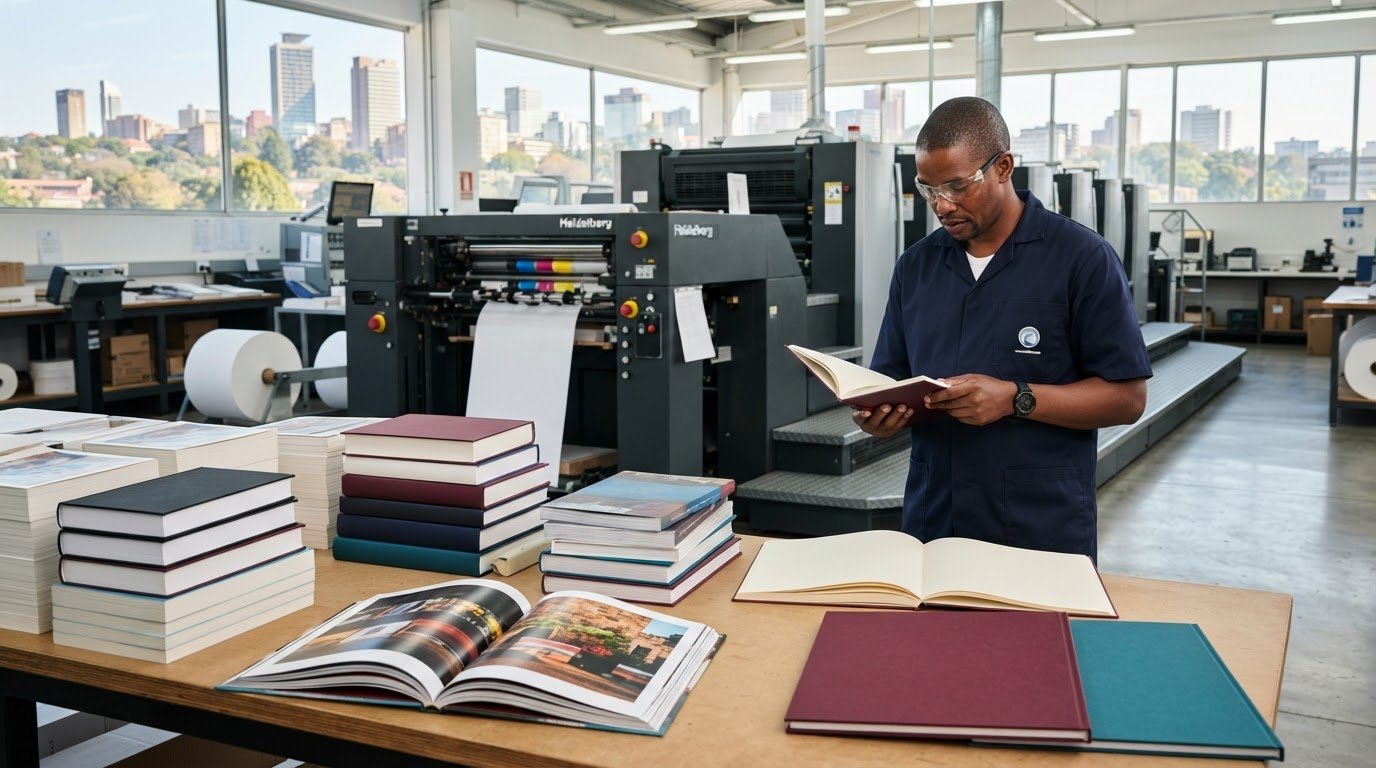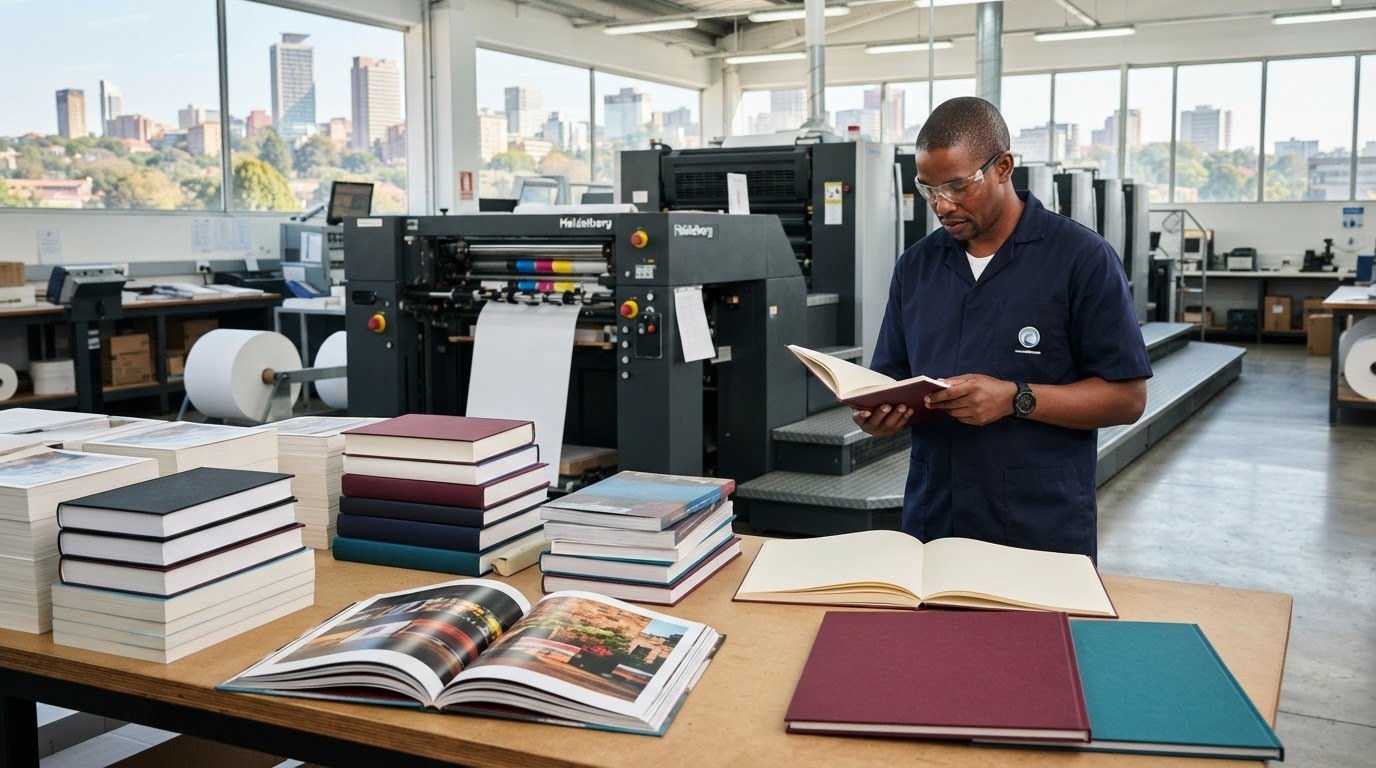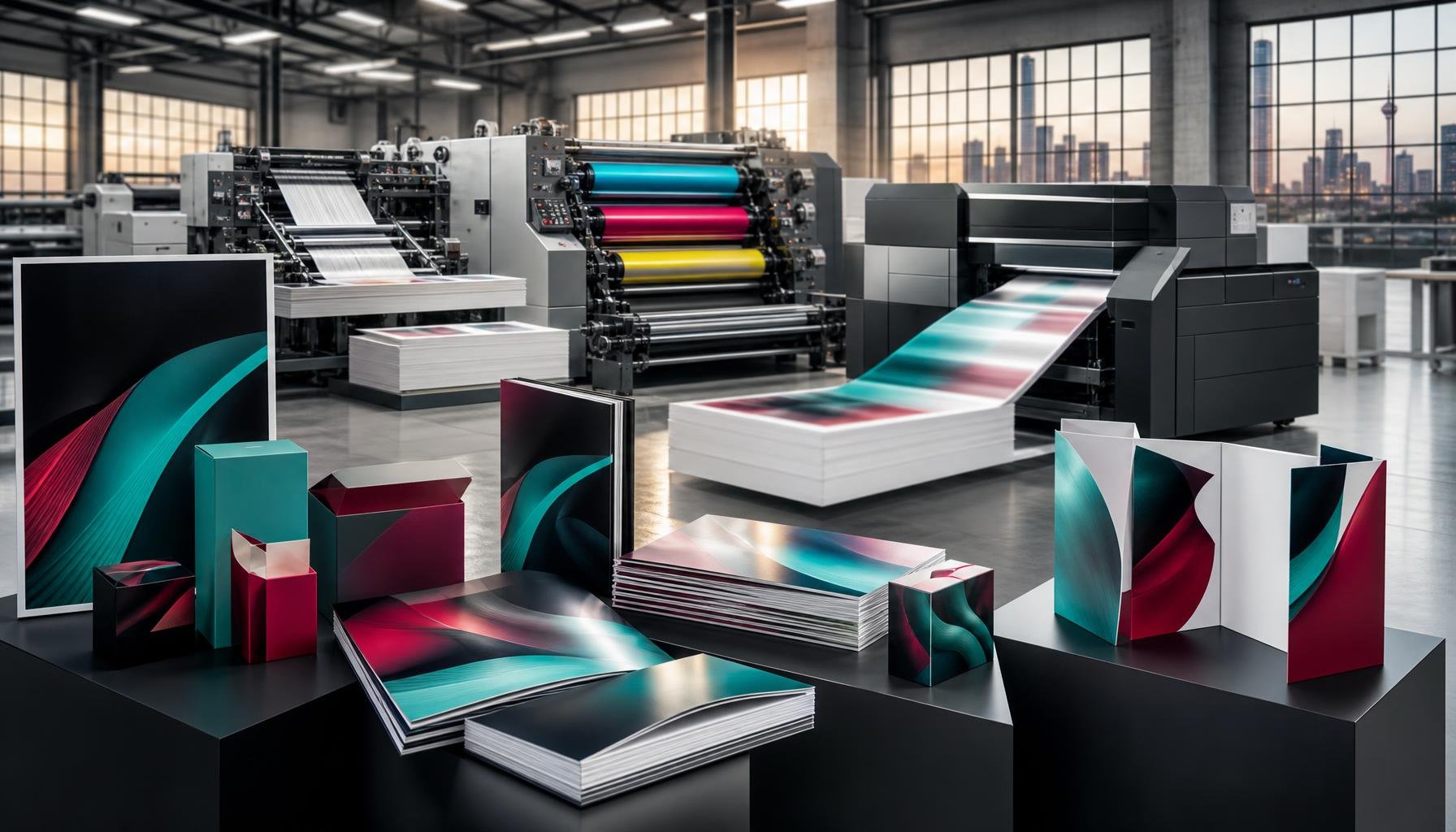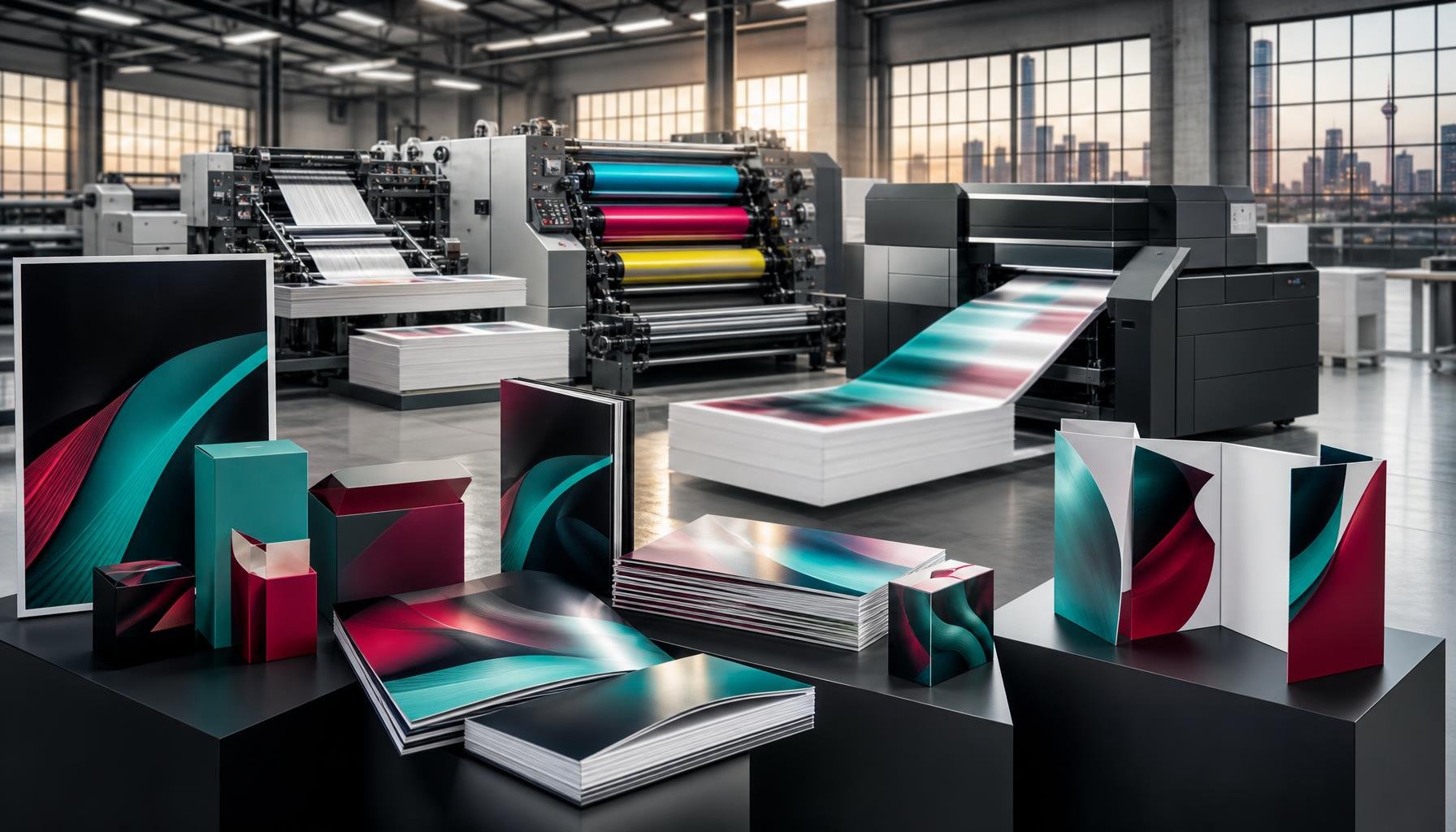

Imagine it’s 08:00 on launch day in Sandton, but your new product line is stuck in the warehouse because the manuals arrived with smudged ink and pages that fall out. You’ve worked months on your product, yet a poor experience with instruction booklet printing can lead to a 25% increase in customer support calls during the first week. It’s frustrating when complex file setups lead to print errors that delay your entry into the South African market.
We agree that your manual should match the premium quality of your brand. You deserve a professional look that doesn’t crumble after the first use. This 2026 guide shows you how to master technical specs and local Johannesburg printing options to create durable, high-quality booklets that satisfy every customer. We’ll cover everything from choosing the right grammage to finding a reliable 24/7 partner right here in the city to ensure your next launch is seamless.
Key Takeaways
- Boost your brand’s perceived value and slash customer support costs by investing in high-quality physical manuals that your customers will actually use.
- Learn the technical secrets of instruction booklet printing, from choosing the perfect 128gsm paper for a premium feel to selecting the right finish for maximum readability.
- Discover which binding method—Saddle Stitching or PUR—best suits your page count to ensure your booklets are both durable and cost-effective.
- Master the professional setup of your print files by understanding reader spreads and margins to ensure a seamless, error-free production process.
- Get your products to market faster by partnering with a 24/7 Johannesburg specialist that eliminates shipping delays and handles urgent Gauteng deadlines with ease.
Why Quality Instruction Booklet Printing is Vital for Your Brand
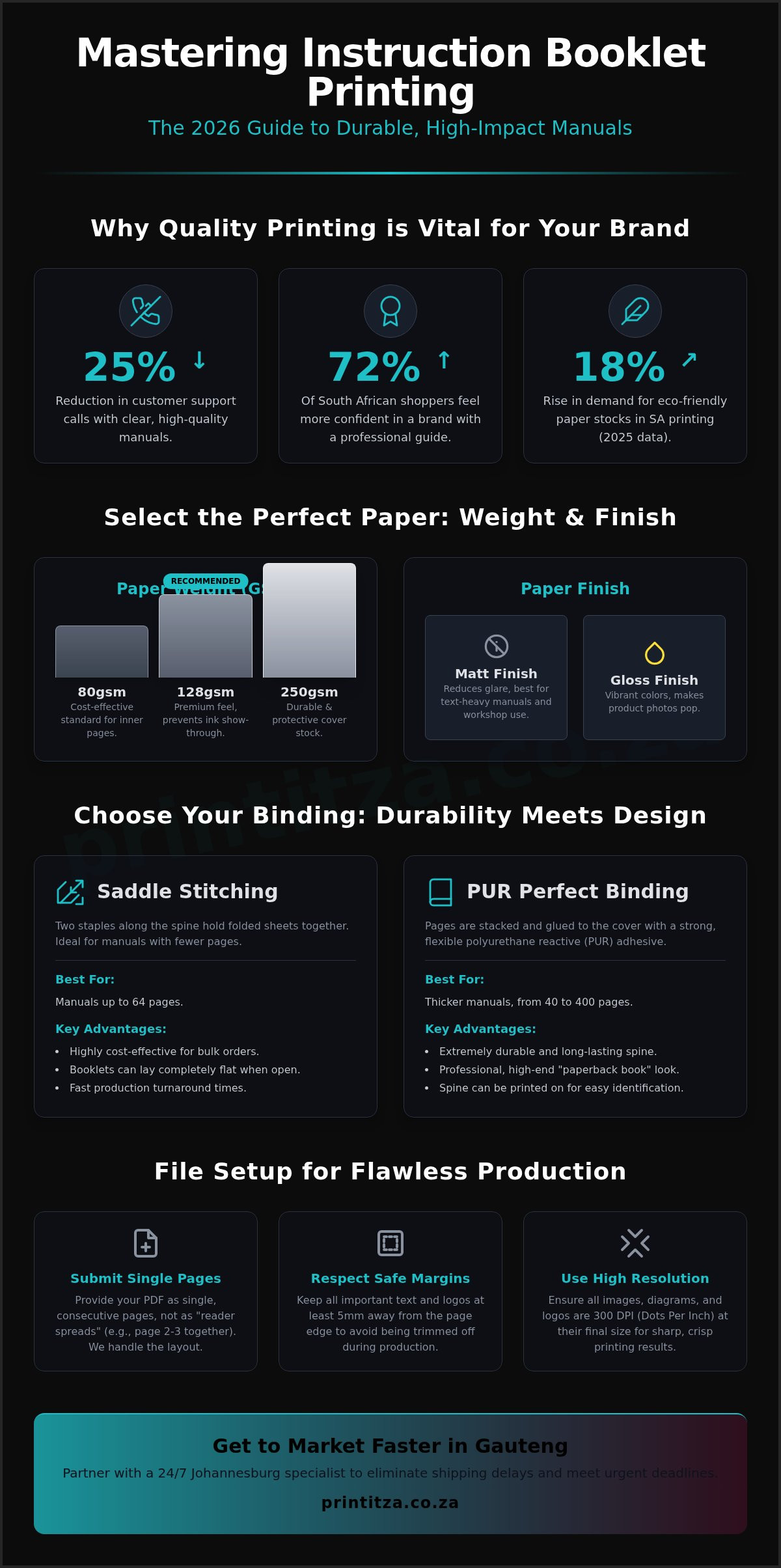
First impressions happen the moment a customer opens the box. In Johannesburg’s competitive retail market, a flimsy or blurry manual can ruin a premium product launch. High-quality instruction booklet printing acts as a silent brand ambassador. It tells your customer that you care about their success with your product. A 2025 consumer survey revealed that 72% of South African shoppers feel more confident in a brand when the box includes a clear, professionally printed guide. When the paper feels substantial and the ink is crisp, the perceived value of your product increases instantly.
Legibility isn’t just about aesthetics; it’s a legal necessity. The South African Bureau of Standards (SABS) emphasizes that safety warnings must be easily readable to prevent accidents. If your diagrams are pixelated or your text is too small, you risk more than just a bad review. You risk non-compliance and potential liability. Professional printing ensures that every technical specification and warning label remains sharp, even on smaller paper sizes or high-grammage stocks.
- Reduced Returns: Clear instructions mean fewer “faulty” product returns caused by user error.
- Brand Authority: Premium documentation signals a professional, established business.
- Customer Loyalty: A smooth setup process leads to positive reviews and repeat purchases.
Enhancing User Experience and Safety
Technical diagrams require high-resolution output to be truly useful. In environments like construction sites, kitchens, or remote workshops where screen access is limited, physical booklets remain the gold standard. We ensure your fine-print safety warnings meet strict legibility standards so users stay safe. A professionally printed manual serves as a 24/7 customer service representative that never takes a holiday.
Reducing Support Costs with Clear Manuals
Clear documentation directly impacts your bottom line. Industry data from 2024 shows that businesses using high-utility manuals see a 25% reduction in technical support calls. When customers can find answers themselves, they don’t clog your phone lines or return products due to setup confusion. Print It ZA helps Johannesburg businesses select common binding methods that keep pages flat during assembly, preventing the frustration of a manual that keeps snapping shut. We combine crisp litho printing with durable paper stocks to ensure your diagrams are never misinterpreted. This proactive approach to instruction booklet printing saves you money and builds a reputation for reliability in the local market.
Key Specifications for Durable Instruction Manuals
Getting the technical details right ensures your instruction booklet printing project lasts as long as the product it describes. You don’t want a manual that falls apart after two uses or becomes unreadable under bright warehouse lights. Choosing the correct grammage and finish is the first step toward a professional result that represents your brand’s commitment to quality.
Selecting the Right Paper Weight and Finish
Paper weight, measured in grams per square metre (gsm), determines the “heft” of your manual. While 80gsm is the standard for high-volume, cost-effective inner pages, moving to 128gsm provides a premium feel that resists ink show-through. For the exterior, we recommend a heavier cover stock of 250gsm to provide a protective shell. Understanding the full range of book printing paper types can help you make a more informed decision about which stock best suits your manual’s specific use case and budget. We align our production with industry printing standards to ensure consistent color and material integrity across every batch.
The finish you choose affects both aesthetics and functionality. Gloss finishes make photos of your product pop with vibrant colors. However, many Gauteng manufacturers prefer matt finishes for workshop manuals. Matt surfaces reduce glare from overhead industrial lighting, making text easier to read during complex assemblies. If your brand prioritizes sustainability, we offer recycled stocks. In 2025, demand for eco-friendly paper in South African printing rose by 18%, reflecting a shift toward greener supply chains.
Standard vs. Custom Booklet Sizes
Size matters for portability and packaging. The A5 booklet is the “sweet spot” for most South African businesses. It offers enough room for detailed diagrams while remaining compact enough to tuck into a standard product box. If you’re dealing with small electronics, DL booklets (99mm x 210mm) provide a sleek, slimline alternative that fits perfectly into narrow retail packaging.
Don’t feel limited by standard rectangles. Custom die-cutting allows you to create unique shapes or include tabbed sections for quick navigation. This is particularly useful for thick manuals where users need to jump between languages or technical chapters. Ensure your chosen size leaves at least a 10mm “quiet zone” near the spine so your content doesn’t get lost in the binding. If you’re unsure which layout works best for your box dimensions, you can chat with our design team for a quick template check.
Protective Coatings for Industrial Use
Instruction manuals often live in tough environments. For manuals used in mining, construction, or outdoor settings, standard paper isn’t enough. Lamination adds a plastic layer that makes pages tear-resistant and wipeable. UV varnishing offers a more affordable alternative that protects against sun damage and light moisture. About 70% of our industrial clients in Johannesburg now opt for at least a laminated cover to extend the manual’s lifespan by up to three years under heavy use.
Comparing Binding Methods for Product Booklets
Choosing the right binding for your instruction booklet printing project changes how your customers interact with your product. It isn’t just about aesthetics; the binding affects durability, manufacturing speed, and user experience. Whether you’re producing a simple four-page guide or a 200-page technical manual, your choice must align with how the end-user will handle the document in a real-world Johannesburg workshop or home environment.
Saddle Stitched: The Cost-Effective Choice
Saddle stitching is our most popular and affordable method for booklets up to 64 pages. We use industrial staples along the spine to secure the folded sheets. It’s an efficient process that allows for the fastest turnaround times in Johannesburg, often ready for delivery within 24 to 48 hours for digital runs. You must design your page counts in multiples of four to accommodate the folding process. This method works best for:
- Quick-start guides for consumer electronics.
- Product promotional brochures with technical specs.
- Safety pamphlets and warranty inserts.
Perfect Binding (PUR) for Professional Manuals
When your manual exceeds 64 pages, perfect binding provides a sophisticated, square-back finish. We use high-strength PUR (Polyurethane Reactive) glue, which is significantly more durable than standard EVA adhesives. This method allows you to print the product name on the spine, making it easy for customers to find the manual on a shelf. When designing these high-page-count documents, adhering to international standards for user instructions ensures your layout remains legible even near the spine’s inner gutter.
Wire-O and Spiral Binding for Lay-Flat Manuals
For assembly guides or repair manuals, functionality is more important than a sleek spine. Wire-O uses a twin-loop metal wire, while spiral binding uses a continuous plastic coil. Both allow the booklet to fold back on itself 360 degrees without damaging the spine. Lay-flat binding is essential for hands-on technical tasks because it allows the user to follow complex steps without losing their place while their hands are occupied with tools or components.
Choose metal Wire-O for a premium, corporate look or plastic spiral for manuals used in damp or high-impact environments. These methods are the gold standard for any guide that needs to stay open on a desk or workbench during a 15-minute assembly process.
Durability Testing: Which Binding Lasts?
In retail or industrial settings, booklets face constant handling. Our internal stress tests show that PUR perfect binding survives over 1,000 “page flips” without sheet loss, making it the top choice for heavy-duty use. Saddle stitching is remarkably resilient for thinner guides but may show wear at the staple points after 500 uses. If your manual will be referenced daily, we recommend a 250gsm laminated cover to protect the binding and keep your instruction booklet printing looking sharp for years.
How to Prepare Your Manual for Professional Printing
Setting up your file correctly is the difference between a polished product and a costly mistake. When you design your manual, always work in reader spreads. This means you lay out pages 1, 2, 3, and 4 in their natural reading order. Our prepress team at Print It ZA handles the printer spreads, which is the technical process of reordering pages so they appear correctly after folding and stapling. Don’t try to impose the pages yourself; it often leads to layout errors that delay your project.
Your technical diagrams and fine text require absolute clarity. We require a minimum image resolution of 300 DPI for all graphics. Lower resolutions look pixelated and unprofessional, especially in complex assembly guides. When you’re ready to send your file, export it using the PDF/X-1a standard. This format ensures all your fonts are embedded and your transparency layers are flattened, so your instruction booklet printing results match exactly what you see on your screen.
Setting Up Margins, Bleeds, and Gutter Space
Technical manuals often suffer from “text swallowing.” This happens when you don’t account for the gutter space, particularly in thick, perfect-bound books. For a professional finish, keep your gutter at least 10mm to 12mm wide. This ensures your text doesn’t disappear into the spine. Always include a 3mm bleed on all four sides of your document. We see many Johannesburg DIY designs where critical text sits too close to the edge. To avoid accidental trimming, keep all essential information within a “safe zone” at least 5mm from the trim line.
- 3mm Bleed: Essential for edge-to-edge color.
- 12mm Gutter: Prevents text from being lost in the binding.
- Safe Zone: Keeps diagrams away from the guillotine cut.
Digital vs. Litho Printing: Which Fits Your Volume?
Choosing the right technology depends on your specific quantity needs. Digital printing is your best bet for short runs. It’s perfect for 50 to 200 copies or manuals that require frequent updates. If you’re a high-volume manufacturer needing 1,000 units or more, litho printing offers the lowest unit cost. Our 24/7 Gauteng facility operates both technologies, allowing us to pivot based on your deadline and budget. Litho provides unmatched color consistency for large batches, while digital allows for a fast, “on-demand” approach without heavy setup costs. The same digital printing technology that makes short-run manuals affordable also powers self publishing printing in South Africa, giving independent authors and content creators the flexibility to produce professional-quality books without large upfront investments. For manufacturers planning large-scale documentation rollouts, exploring high volume book printing services in Johannesburg can significantly reduce your per-unit costs when producing thousands of manuals.
Ready to get your technical manuals into production? Request a custom quote from our Johannesburg team and let’s get started.
Partnering with a 24/7 Johannesburg Printing Specialist
Choosing a local partner for your instruction booklet printing ensures your project stays on track without the headache of cross-country logistics. At Print It ZA, we eliminate the 48 hour transit wait often seen with coastal providers. You get your proofs faster; you can even visit our facility to sign off on the first run in person. This proximity reduces risk and keeps your production line moving without unnecessary interruptions.
Our 24/7 operation is specifically built for the high-pressure environment of 2026 product launches. We handle end-to-end support, from initial design tweaks to final kitting and distribution. This means we don’t just print your pages. We ensure they’re bundled, boxed, and ready for retail or industrial use immediately. By keeping every stage of the process in-house, we maintain 100% control over quality and your specific timelines.
Working with a specialist who understands the Gauteng business landscape offers several distinct advantages:
- Zero shipping delays: Local delivery happens in hours, not days.
- Direct communication: Speak directly to the team handling your litho or digital press run.
- Bespoke kitting: We can insert booklets directly into your product packaging if required.
- Technical expertise: We help you choose the right grammage and finish to suit your brand’s premium feel.
Fast Turnaround for Gauteng Product Launches
Modern supply chains rely on just-in-time delivery to keep overheads low. In Johannesburg, where a massive portion of South Africa’s manufacturing output originates, speed is a critical requirement. Our facility is strategically located near major logistics hubs, allowing us to dispatch orders within minutes of the final bindery stage. Whether you need thousands of booklets or specialized Training Manuals for your corporate staff, we meet those “impossible” deadlines with technical precision.
Nationwide Distribution from Our Johannesburg Hub
While we’re proud of our Gauteng roots, our reach extends across the border. We leverage a robust logistics network to ship from our Johannesburg hub to every corner of South Africa. For companies with branches in Durban, Cape Town, or Gqeberha, we offer seamless multi-point delivery. We also support South African manufacturers exporting to the SADC region by providing international-standard packaging and documentation that meets global shipping requirements. Businesses managing large documentation requirements across multiple sites can benefit from our scalable high volume book printing services to keep costs predictable and timelines consistent.
Your product’s success depends on the clarity and availability of its documentation. Don’t let poor printing or late delivery stall your momentum. We combine technical expertise with a friendly, can-do attitude to make the instruction booklet printing process easy. Ready to print? Get a custom quote for your instruction booklets today and experience the difference of a true local partner.
Elevate Your Product Experience with Premium Manuals
Your user guide is the final touchpoint of your customer’s journey. High-quality instruction booklet printing ensures your brand reflects professional standards from the moment the box is opened. By selecting the right binding methods and durable paper weights, you reduce support calls and build long-term trust with your users. Our team of in-house design and finishing experts works around the clock to make sure your technical documents are clear, precise, and professional. We operate a 24/7 Johannesburg printing facility to meet even the tightest production deadlines. Whether you’re based in Gauteng or need nationwide delivery across South Africa, we provide a reliable service that keeps your supply chain moving. It’s time to stop settling for average print quality and start giving your products the documentation they deserve. We’re here to handle the technical details so you can focus on growing your business. Let’s get your next batch of manuals ready for the market today.
Get a Professional Quote for Your Instruction Booklets
Frequently Asked Questions
What is the best binding for a manual that needs to stay open?
Wire-O or spiral binding is the best choice for manuals that need to stay flat on a desk or workbench. These methods allow for a full 360-degree rotation, which is perfect for technical guides, cookbooks, or assembly instructions. You won’t have to worry about the spine cracking or the book snapping shut while you work. It’s a durable, professional solution that ensures your users have a seamless, hands-free experience every time.
How many pages can a saddle-stitched booklet have?
Saddle-stitched booklets usually range from 8 to 64 pages in total. Because this method uses folded sheets nested together and stapled through the fold, your total page count must be a multiple of 4. If your manual exceeds 64 pages, the booklet might bulge at the center, a phenomenon known as creep. For these thicker documents, we recommend moving to perfect binding or Wire-O to maintain a premium finish.
Can I print instruction booklets in small quantities?
You can definitely print instruction booklets in small quantities starting from as few as 10 or 20 units. Digital printing technology makes short runs affordable because it eliminates the high setup costs associated with traditional litho plates. This is ideal for niche products, local startups, or prototype runs where you only need a handful of manuals. It gives you the flexibility to update your content frequently without wasting any physical stock.
What is the standard paper weight for an instruction manual?
Most instruction manuals use 80gsm to 100gsm bond paper for internal pages and a 250gsm silk cover for extra protection. This specific combination balances durability with cost-effectiveness for everyday use. In the South African printing industry, 128gsm coated paper is also a popular choice for high-end technical guides. It provides a premium feel while ensuring your diagrams and text remain sharp and legible under various workshop lighting conditions. For a deeper look at how different paper stocks compare across gsm, texture, and finish, our guide to book printing paper types for South African authors breaks down every option in detail.
How do I set up my file for booklet printing?
Set up your file as a high-resolution PDF with a 3mm bleed on all edges to ensure a clean finish. You should use the CMYK color profile to ensure your printed colors match your digital design exactly. Keep all critical text at least 5mm away from the trim line to avoid any cutting issues during production. Our team checks your files for these technical specs before we start the instruction booklet printing process.
How long does it take to print instruction booklets in Johannesburg?
Standard production time for booklets in Johannesburg is 3 to 5 business days after you approve your final proof. If you’re facing a tight deadline, we can often complete digital jobs within 48 hours at our local facility. We use reliable couriers to deliver across Gauteng, ensuring your manuals arrive at your doorstep quickly. This fast-paced schedule helps you meet product launch dates without any unnecessary stress or delays.
Do you offer design services for technical manuals?
We offer full design and layout services for technical manuals and complex instruction guides. Our creative team understands how to organize technical information so it’s easy for your customers to follow and understand. We focus on clear typography and a logical flow to enhance the overall user experience. Whether you have a rough Word document or just a list of steps, we’ll help you create a professional, polished final product.
Is litho or digital printing better for 500 booklets?
Digital printing is generally the most cost-effective and efficient option for a run of 500 booklets. Litho printing usually becomes more economical once you reach quantities of 1,000 or more due to the initial plate setup requirements. Our modern digital presses deliver vibrant, high-quality results that are virtually indistinguishable from traditional litho. This makes it the perfect choice for instruction booklet printing when you need a balance of speed, quality, and value.