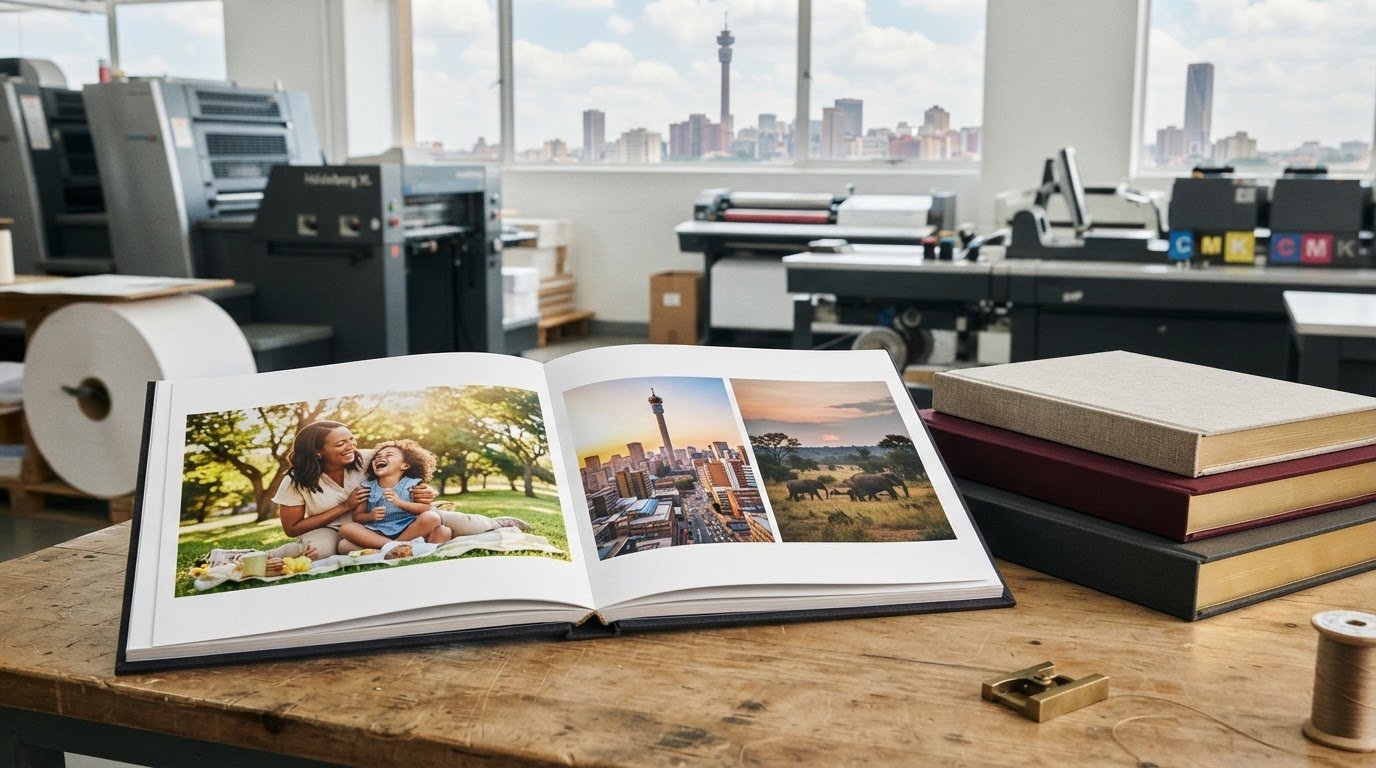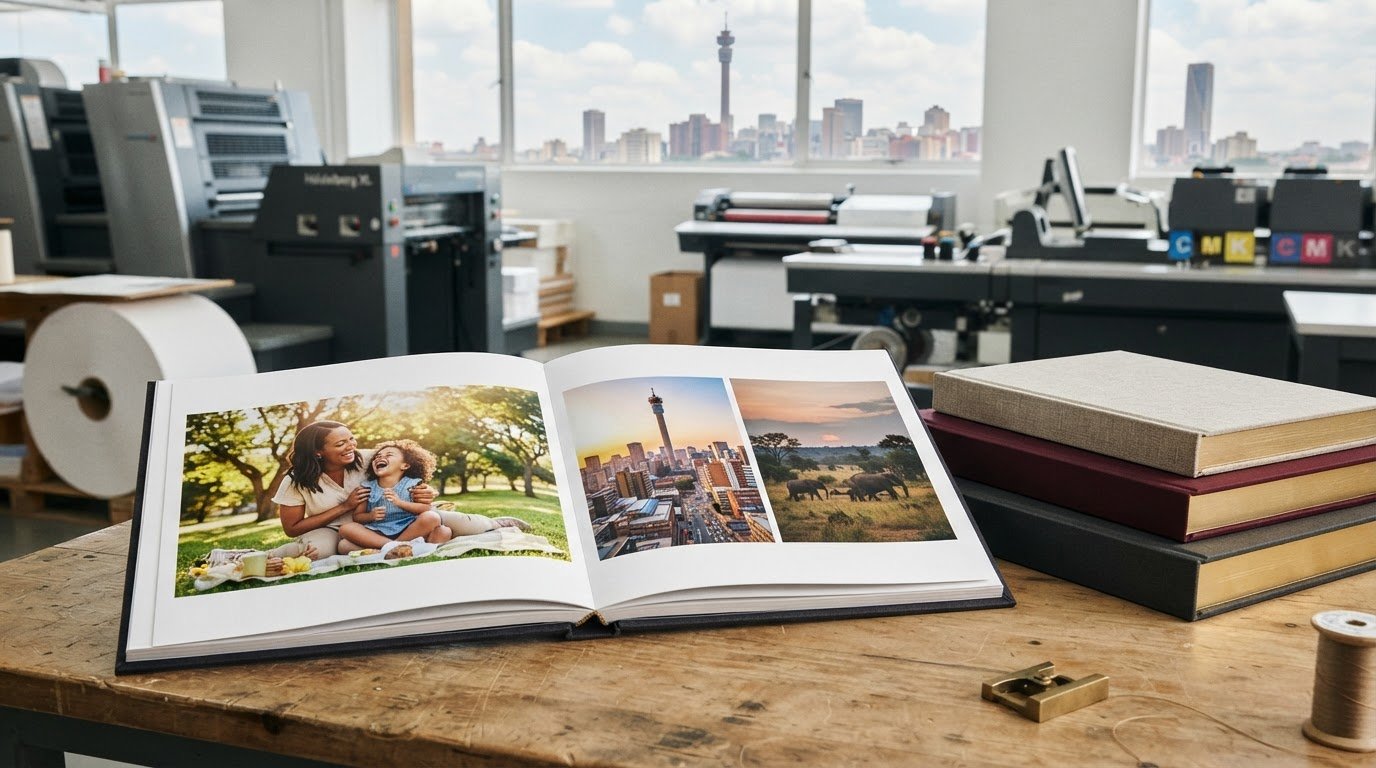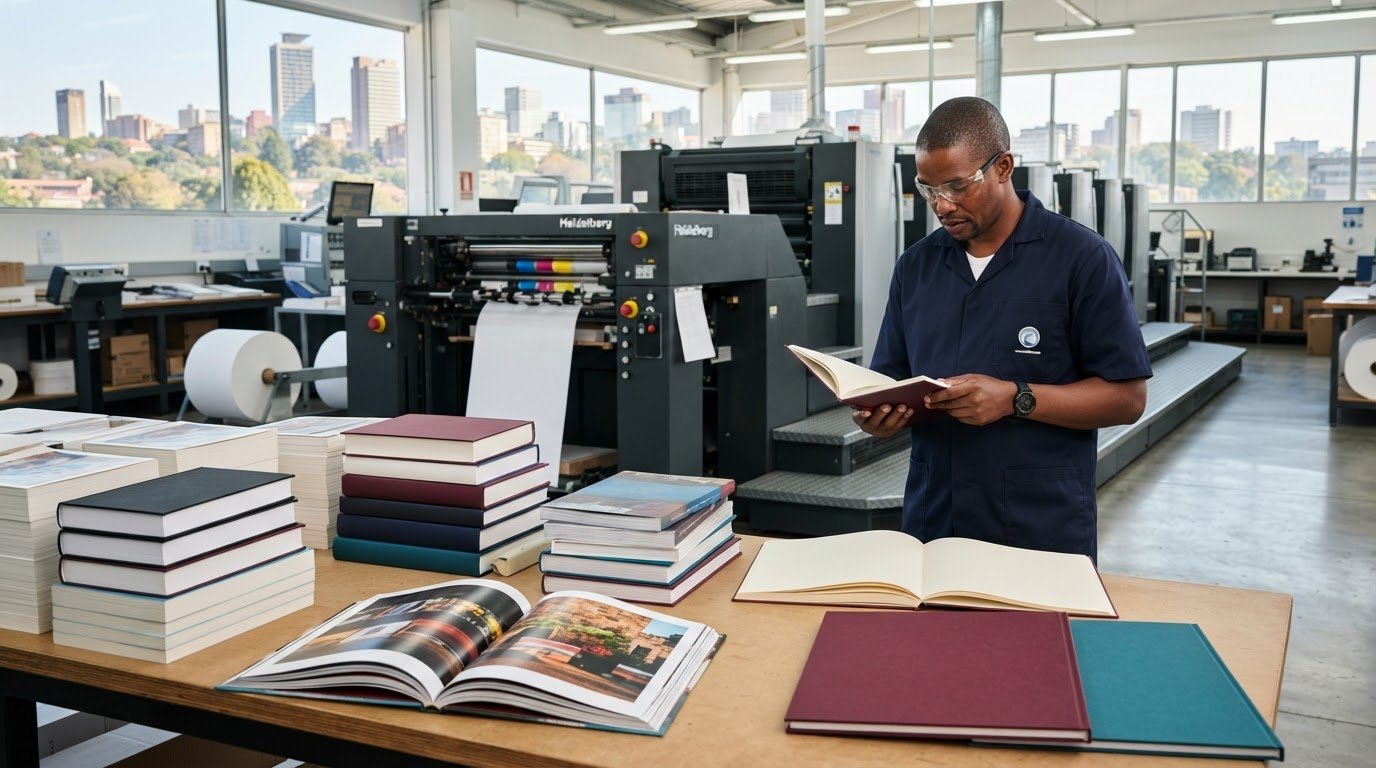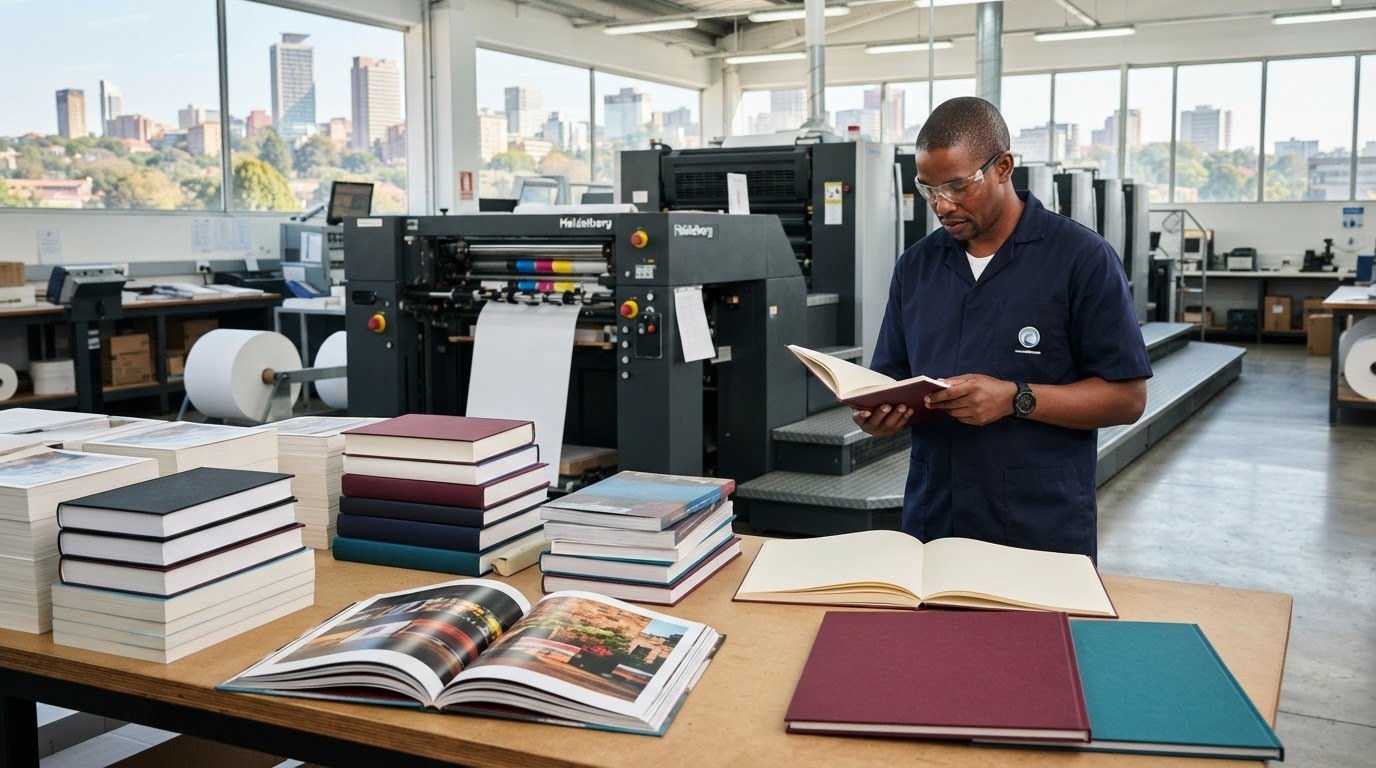

Last Tuesday, a marketing manager in Sandton received 500 annual reports just hours before a major board meeting, only to find the pages starting to lift in the 30-degree Gauteng heat. It’s a stressful reality when technical specs don’t account for local climate conditions. You want your project to look premium and stay together, but the technical jargon like PUR versus Perfect binding often feels like a barrier. We understand that you need a reliable partner who speaks your language and respects your tight deadlines.
At Print It ZA, we’ve spent years perfecting book binding at our Midrand facility to ensure your vision becomes a durable, professional reality. This guide cuts through the confusion to help you choose the right paper grammage and finishes for your specific needs. You’ll learn exactly how our team delivers high-quality results with the fast turnaround times that Johannesburg and Pretoria businesses demand in 2026.
Key Takeaways
- Learn why choosing the right assembly method is vital for your project’s shelf appeal and long-term durability.
- Discover the specific benefits of Perfect and PUR book binding to ensure your work meets the professional standards of the South African market.
- Compare premium case-bound hardcovers and affordable softcovers to find the perfect fit for your specific audience and budget.
- Get expert tips on manuscript preparation, from setting correct gutter margins to exporting professional-grade PDFs for our Midrand press.
- Find out how our 24/7 facility in Midrand provides bespoke solutions and quick turnarounds for authors and businesses across Gauteng.
What is Book Binding and Why is it Critical for Your Project?
At its core, What is Book Binding refers to the physical process of assembling a book from a stack of loose paper sheets into a single, cohesive unit. It’s the final, vital step that transforms raw prints into a finished product ready for the world. For South African creators and entrepreneurs, this choice isn’t just about aesthetics; it’s about survival. Gauteng’s climate is notoriously harsh on printed materials. The bone-dry winters in Johannesburg can make inferior adhesives brittle and prone to cracking, while the intense humidity of a Highveld summer storm causes pages to warp if the structure is weak. Choosing the right book binding method ensures your project withstands these local conditions while maintaining its “shelf appeal” for years to come.
The emotional impact of a well-bound book shouldn’t be underestimated. When a customer picks up your catalogue or portfolio, they instantly register the weight and stability of the work. A secure, professional finish builds immediate trust. It tells your audience that you value your own content enough to protect it, which in turn makes them value your brand. In a competitive market, that tactile sense of quality can be the deciding factor for a potential client.
The Role of Binding in Professionalism
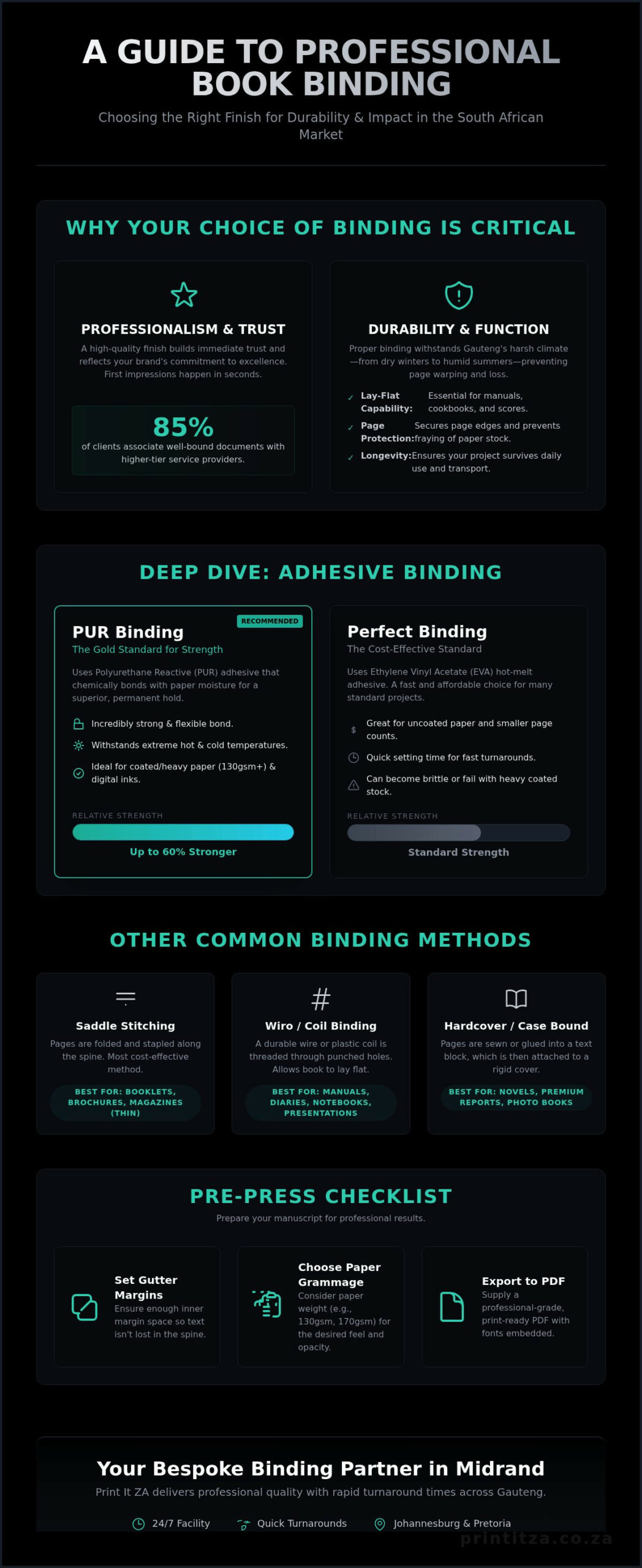
First impressions happen in roughly 7 seconds, and when you’re hand-delivering a corporate annual report in Sandton, that time counts. A flimsy finish suggests a lack of attention to detail, which can erode trust before a single page is turned. There’s a visible, tactile difference between a “home-made” stapled document and “Midrand-made” professional quality. High-end finishes reflect your brand’s commitment to excellence. When your document feels substantial and secure, it signals that your business is stable and reliable. We’ve seen that 85% of clients associate heavy, well-bound documents with higher-tier service providers.
Functional Benefits of Professional Finishing
Professional finishing provides more than just good looks; it dictates how someone actually uses your work. Consider these functional advantages:
- Ease of use: Specific methods allow for lay-flat capabilities, which are essential for cookbooks, training manuals, and music scores where hands-free reading is required.
- Durability: High-quality book binding prevents page loss in high-use educational materials that students might toss into backpacks daily.
- Protection: Proper finishing protects the internal grammage of your paper. By securing the edges, you prevent the fibers of your 130gsm or 170gsm paper from fraying or tearing under heavy use.
Whether you’re producing a limited-run poetry book or a thousand copies of a technical guide, the way you hold it all together defines the project’s success. It’s the difference between a throwaway flyer and a permanent resource.
Common Book Binding Methods in Johannesburg
Johannesburg is a fast-paced hub for independent authors, corporate marketing teams, and educational institutions. Choosing the right book binding method ensures your printed materials survive the daily commute and frequent handling. Whether you are producing a premium novel for a Sandton bookstore or training manuals for a workshop in Pretoria, the binding style defines the final product’s durability and professional appeal.
- Perfect Binding: This is the industry standard for high-quality paperbacks. It uses a hot-melt adhesive to attach a wrap-around cover to the squared-off spine of the inner pages.
- PUR Binding: Often called the “gold standard” of glue binding, it uses Polyurethane Reactive adhesive for an incredibly strong, flexible bond.
- Saddle Stitching: This method uses metal staples through the fold of the pages. It is the most cost-effective solution for thinner booklets and brochures.
- Wiro and Spiral Binding: These allow a book to lie completely flat when open. They are the preferred choice for Gauteng school diaries and technical training manuals.
Perfect vs. PUR Binding: Which is Better?
While both methods look identical from the outside, the technical difference lies in the chemistry of the glue. Standard perfect binding uses EVA (Ethylene Vinyl Acetate) adhesive, which is affordable and sets quickly. However, PUR binding is 40% to 60% stronger than EVA. The PUR adhesive undergoes a chemical reaction with moisture in the paper fibers to create a permanent bond that won’t crack under extreme temperatures.
For South African self-publishers using heavy 130gsm or 150gsm coated art paper, PUR is the better investment. Standard glue often fails when it comes into contact with the oils in digital inks, leading to pages falling out. Choosing PUR reduces product return rates by roughly 25% in high-ink-coverage projects. If you’re unsure which method fits your budget, you can chat with our team about your specific project needs.
Saddle Stitching for Short-Form Content
Saddle stitching is the go-to for Gauteng marketing flyers, event programs, and instruction booklets. It offers the fastest turnaround times for Midrand event collateral, often moving from press to delivery in under 48 hours. This method is highly efficient for documents between 8 and 64 pages.
Once your page count exceeds 64 pages, or approximately 16 sheets of paper, you hit the “creep” limit. This is where the inner pages begin to protrude further than the outer pages, making the booklet look uneven. At this stage, it’s time to move from staples to a glued spine. Saddle stitching remains the most affordable option for local businesses looking to maximize their print marketing budget without sacrificing a clean, professional look. If you need to produce product manuals or guides, our dedicated instruction booklet printing service in Johannesburg covers everything from file setup to final delivery.
Choosing Between Hardcover and Softcover for the SA Market
Picking the right book binding style is a big decision that impacts your project’s success in the South African market. You need to weigh the tactile experience against the practicalities of production and distribution. Whether you’re a novelist in Johannesburg or a corporate archivist in Pretoria, the choice between hardcover and softcover sets the tone for your brand and determines your final price point.
The Luxury of Hardcover Binding
Hardcover, or case bound binding, is the gold standard for premium projects. If you’re creating a coffee table book showcasing South African landscapes or a high-end religious text, this is your best bet. Gauteng authors frequently select hardcover for legacy projects because these books are built to last over 50 years in home libraries. You can customize these with bespoke finishes that demand attention, such as dust jackets, foil stamping for gold lettering, and debossing for a sophisticated, tactile effect. These books provide the durability required for reference manuals and corporate archives that see heavy daily use.
The Versatility of Softcover
Softcover remains the most popular choice for self-publishing across South Africa. It’s fast to produce and easy on the wallet. Most local novels you see on the shelves in Rosebank or Sandton are softcovers. They offer a “no-nonsense” approach that doesn’t sacrifice quality. To get that professional Johannesburg finish, you’ll need to choose the right lamination. Gloss lamination makes colors pop and resists fingerprints, while matte lamination provides a velvety, modern feel that’s very trendy in the current local market. This book binding method keeps your retail price accessible for the average reader.
Market trends in 2024 show that approximately 70% of local independent authors prefer softcover because it keeps production costs manageable. Weight is another massive factor you shouldn’t ignore. A hardcover book can weigh up to 450 grams more than its softcover counterpart. When you’re shipping 500 copies from a print shop to a distributor across South Africa, those extra grams translate into thousands of Rands in courier costs. Softcover binding keeps your logistics lean and your margins healthy, which is vital for any growing creative business or small press. For a deeper look at how to navigate the full production journey as an author, our comprehensive guide on self publishing printing in South Africa walks you through every step from manuscript to market.
Ultimately, your choice depends on the “shelf life” you envision. If you want a book that feels like an heirloom, go with hardcover. If you want a book that people can toss in their bag and read on the Gautrain, softcover is the winner. We’re here to help you navigate these choices to ensure your final product looks professional and fits your budget perfectly.
How to Prepare Your Manuscript for Professional Binding
You have finished the writing and editing. Now, the technical setup begins. Preparing your file correctly ensures that your finished product looks like it belongs on a bookstore shelf rather than a home printer. At Print Itza, we see many creators skip these steps, which leads to delays at our Midrand press. Getting your book binding prep right the first time saves you money and stress.
Mastering the Gutter and Margins
The “gutter” is the extra space added to the inside margin of your pages to account for the area hidden by the bind. If your margins are too narrow, your text will disappear into the fold. For saddle stitch books, a 12mm inner margin is usually sufficient. Perfect binding requires more breathing room. Because the pages are glued into a flat spine, you should allow for a 20mm to 25mm gutter. This ensures readers don’t have to strain the spine just to finish a sentence. Our in-house design team can perform a final technical check to ensure your layout is safe.
Spine Calculation 101
Your spine width is determined by your page count and the grammage of your paper. It is a common mistake to design a cover before the final page count is locked. You can calculate the width using this simple logic: multiply the number of pages by the thickness of a single sheet. For example, 100 pages on 80gsm bond paper will result in a much thinner spine than 100 pages on 115gsm gloss art paper. If your spine is less than 3mm wide, we generally recommend leaving it blank, as text becomes difficult to center and read. For thicker books, ensure your title is centered with at least 1.5mm of “quiet space” on either side to avoid it wrapping onto the front or back cover.
- Export to PDF: Always use the “Press Quality” setting. This embeds all fonts and ensures images remain at 300dpi for a crisp finish.
- Embed Images: Verify that all graphics are converted to CMYK color profiles to match our litho printing process.
- Bleed Area: Include a 3mm bleed on all sides of your cover design to prevent white edges after trimming.
Before you commit to a high-volume litho run of 500 or 1,000 units, ask for a physical proof. Digital screens often lie about color vibrance and contrast. Holding a physical copy allows you to test the book binding tension and see how the paper feels in your hands. It is a small investment that prevents a very expensive mistake. Understanding how different book printing paper types affect the look, feel, and spine width of your finished product is just as important as your binding choice. If you’re an author looking to understand the full scope of print options available to you, our guide to self publishing printing in South Africa for Johannesburg authors covers paper grammage, digital versus litho decisions, and distribution strategies in detail.
Print It ZA: Your Bespoke Binding Partner in Midrand
Choosing the right book binding method is only half the battle; you also need a production partner who can deliver on time. Our 24/7 facility in Midrand is specifically engineered to meet the tightest deadlines in Johannesburg and Pretoria. We don’t just print pages. We provide a complete manufacturing solution. Our floor features state-of-the-art equipment that bridges the gap between high-volume litho printing and agile digital solutions. This setup allows us to scale your project from a 50-copy boutique lookbook to a 10,000-unit retail catalog without compromising on precision.
We offer end-to-end support that starts with structural design and finishes with nationwide distribution. We take immense pride in supporting Gauteng creators with world-class quality that rivals international standards. Our team treats every project with a no-nonsense approach. We ensure your vision becomes a physical reality that you can be proud to distribute to your audience.
Why Midrand Location Matters for Your Project
Our position in the Kyalami and Midrand hub is a strategic advantage for your logistics. Being centrally located allows for fast collection and delivery across the province. We’ve streamlined our Gauteng-wide distribution to ensure your books reach their destination quickly. Efficiency is built into our location, making us the ideal partner for time-sensitive corporate reports or event programs.
- Centralized Logistics: Easy access to major highways for rapid dispatch across South Africa.
- Physical Samples: You’re invited to visit our facility to feel the difference between various paper grammages and finishes.
- Local Expertise: We understand the specific needs and quality expectations of the South African market.
Collaborative Printing Made Easy
We pride ourselves on a can-do attitude. No project is too complex for our specialists. Whether you need a bespoke coffee table book or a simple saddle-stitched manual, we find a way to make it work. We tailor our book binding solutions to your specific budget, ensuring you get the best value for your investment. Our process is transparent and fast-paced, reflecting the urgency of modern business environments. We act as your creative partner, guiding you through technical choices to achieve a professional, polished result every time.
Ready to bring your project to life? Get a custom book binding quote from Print It ZA today.
Transform Your Manuscript into a Professional Masterpiece
Your manuscript represents months of hard work, so don’t settle for anything less than a premium finish. Choosing the right book binding style, such as a durable hardcover for the local market or a sleek softcover for wider distribution, ensures your project stands out on any shelf. By preparing your files correctly and selecting a partner with deep technical knowledge, you turn a simple stack of paper into a professional legacy that readers will cherish.
Print It ZA brings over 20 years of technical printing expertise to every project. Our 24/7 operational facility in Midrand handles tight deadlines with precision, and we provide reliable nationwide delivery across South Africa. We’re here to make the process seamless and accessible for everyone. Whether you’re an independent author in Johannesburg or a corporate entity in Pretoria, our team helps you achieve a high-quality result that matches your specific vision.
Request a Bespoke Book Binding Quote today and let’s get your project into the hands of your readers. Your story deserves a finish that lasts a lifetime.
Frequently Asked Questions
What is the most durable book binding for high-use manuals?
PUR binding is the most durable choice for high-use manuals because the adhesive is 50% stronger than standard EVA glue. This ensures your pages stay locked in place even with daily handling. For manuals that need to lie completely flat on a desk, we recommend Wire-O binding. It is a robust solution for training materials that see heavy action in South African workshops or offices.
How many pages do I need for perfect binding?
You generally need at least 40 to 50 pages to achieve a professional result with perfect binding. This page count ensures the spine is wide enough, usually at least 3mm, for the glue to adhere properly and for text to be printed on the spine. If your document is thinner than 40 pages, saddle stitching is usually the more cost-effective and secure book binding method for your project.
Can I get hardcover book binding in Johannesburg with a fast turnaround?
Yes, you can get premium hardcover book binding in Johannesburg with fast turnaround times through Print It ZA. We understand that deadlines are tight, so we’ve streamlined our digital finishing process to handle bespoke orders quickly. Whether it’s a thesis or a corporate commemorative book, we deliver high-quality results across Gauteng and beyond without the long wait times often associated with traditional binderies.
What is the difference between spiral and wiro binding?
The main difference is the material and the way the pages turn. Spiral binding uses a continuous plastic coil that threads through holes, while Wiro binding uses a double-loop metal wire. Wiro is the more professional-looking option and allows your book to stay perfectly flat when open. It’s the go-to choice for South African businesses creating high-end presentations, journals, or annual reports that need to look polished.
How do I calculate the spine width for my book?
You calculate the spine width by multiplying the number of leaves, which is half the page count, by the thickness of your chosen paper grammage. For example, 100 sheets of 80gsm bond paper typically creates a spine of approximately 10mm. We always recommend asking our team to provide a specific template based on your paper choice to ensure your cover design fits perfectly before we start the book binding process.
Does Print It ZA offer short-run digital book binding?
Print It ZA specializes in short-run digital binding to help you keep costs down and reduce waste. You don’t need to order thousands of copies; we can produce as few as 1 to 50 books with the same premium quality as a large litho run. This flexibility is perfect for self-publishers and small businesses across South Africa who need professional results on a smaller, more manageable scale.
What is PUR binding and why is it popular in South Africa?
PUR binding uses Polyurethane Reactive adhesive, which is the gold standard for durability in the South African climate. It’s popular because the glue doesn’t crack in extreme temperatures, which is vital for books stored in hot warehouses or transported long distances. Unlike standard glue, PUR creates a chemical bond that is nearly impossible to pull apart, making it ideal for high-end coffee table books and thick catalogs.
Can you bind books with different paper weights?
You can definitely bind books with different paper weights to create a premium feel and better functionality. Most clients choose a heavier 250gsm or 300gsm cardstock for the cover and a lighter 115gsm or 135gsm paper for the internal pages. This combination provides structural integrity and a professional finish. Our team helps you select the right grammage mix to ensure your binding remains secure and looks fantastic. For a comprehensive breakdown of how each stock option affects your final product, our guide to book printing paper types for South African authors will help you make the most informed decision for your project.